What is the hidden cost of cheap hair products in a barbershop?
The hidden cost of cheap hair products is trust. Weak products can make a good haircut look worse, damage the customer’s home styling routine, reduce repeat sales and make a professional barbershop feel less premium.
Cheap products look like a saving.
They rarely are.
A low-cost tub might seem harmless on the shelf. It fills space. It gives the customer an option. It keeps the buying price down. It looks like margin.
But that is the trap.
A cheap product does not just sit there.
It speaks for the shop.
It tells the customer what standard the barber accepts. It tells them whether the shop cares about the finished result after they leave the chair. It tells them whether the retail shelf has been chosen properly or filled with whatever looked easy to buy.
That matters.
Because a barber’s reputation does not end when the cape comes off.
It follows the customer home.
And if the product fails, the haircut can get blamed.
That is the hidden cost.
A cheap product can weaken a strong haircut
A barber can do everything right.
The fade is clean.
The shape is balanced.
The texture is sharp.
The customer looks better walking out than he did walking in.
Then the wrong product ruins it.
Too greasy.
Too shiny.
Too heavy.
Too sticky.
Too weak.
Too hard to wash out.
Too forgettable.
By the next morning, the customer cannot recreate the style. The hair sits flat. The finish looks wrong. The shape disappears. The customer thinks, “It looked good in the shop, but I cannot get it right at home.”
That is bad news.
The customer may not blame the product first.
They may blame the cut.
That is unfair, but retail is not fair. Perception rules.
The right product protects the work.
The wrong product makes the work vulnerable.
That is why a professional barbershop should never treat styling products as a casual extra.
Product choice is part of the service.
Your shelf is part of your brand
A barbershop shelf is not storage.
It is branding.
Customers see it. They judge it. They may not study every product, but they feel the standard. They notice whether the shelf looks premium, clean and intentional, or random, dusty and cheap.
A weak shelf sends a weak message.
It says:
“We did not think too hard about this.”
“We stocked what was easy.”
“We care about the cut, but not the routine after it.”
“We are not confident enough to recommend better.”
That is not the message a professional shop wants to send.
A strong shelf says something different.
It says:
“We choose products properly.”
“We use what we sell.”
“We know what suits your hair.”
“We care what happens tomorrow morning too.”
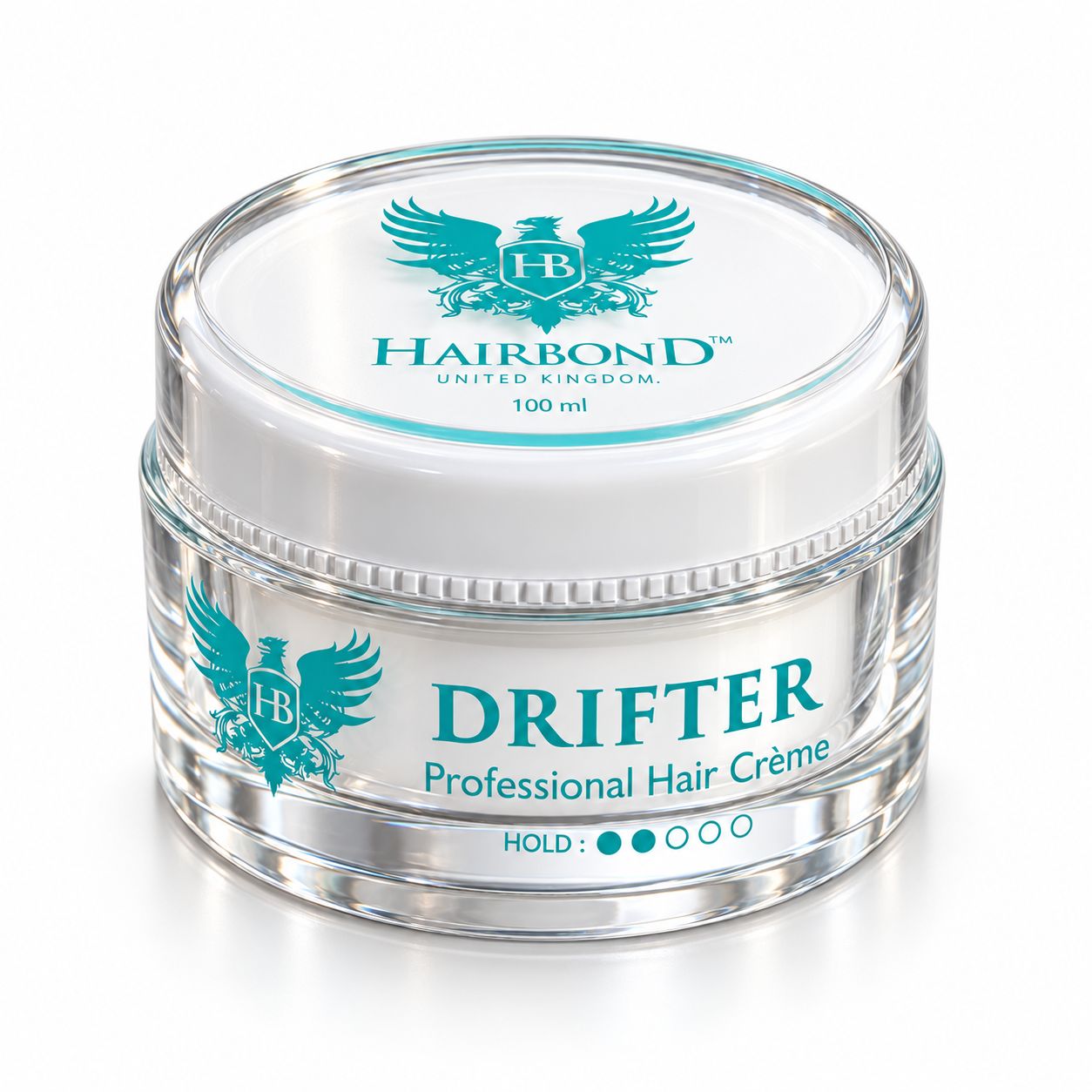
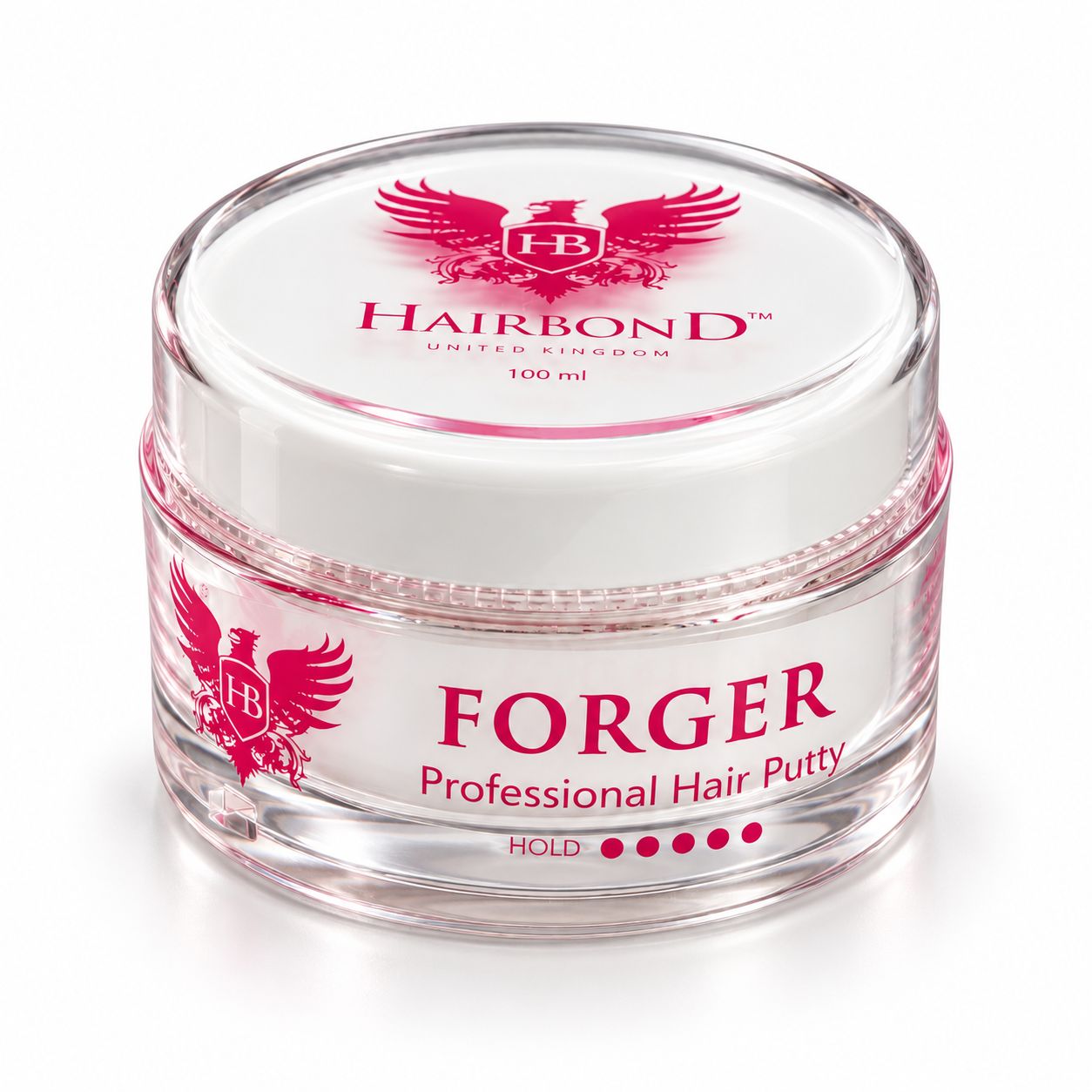
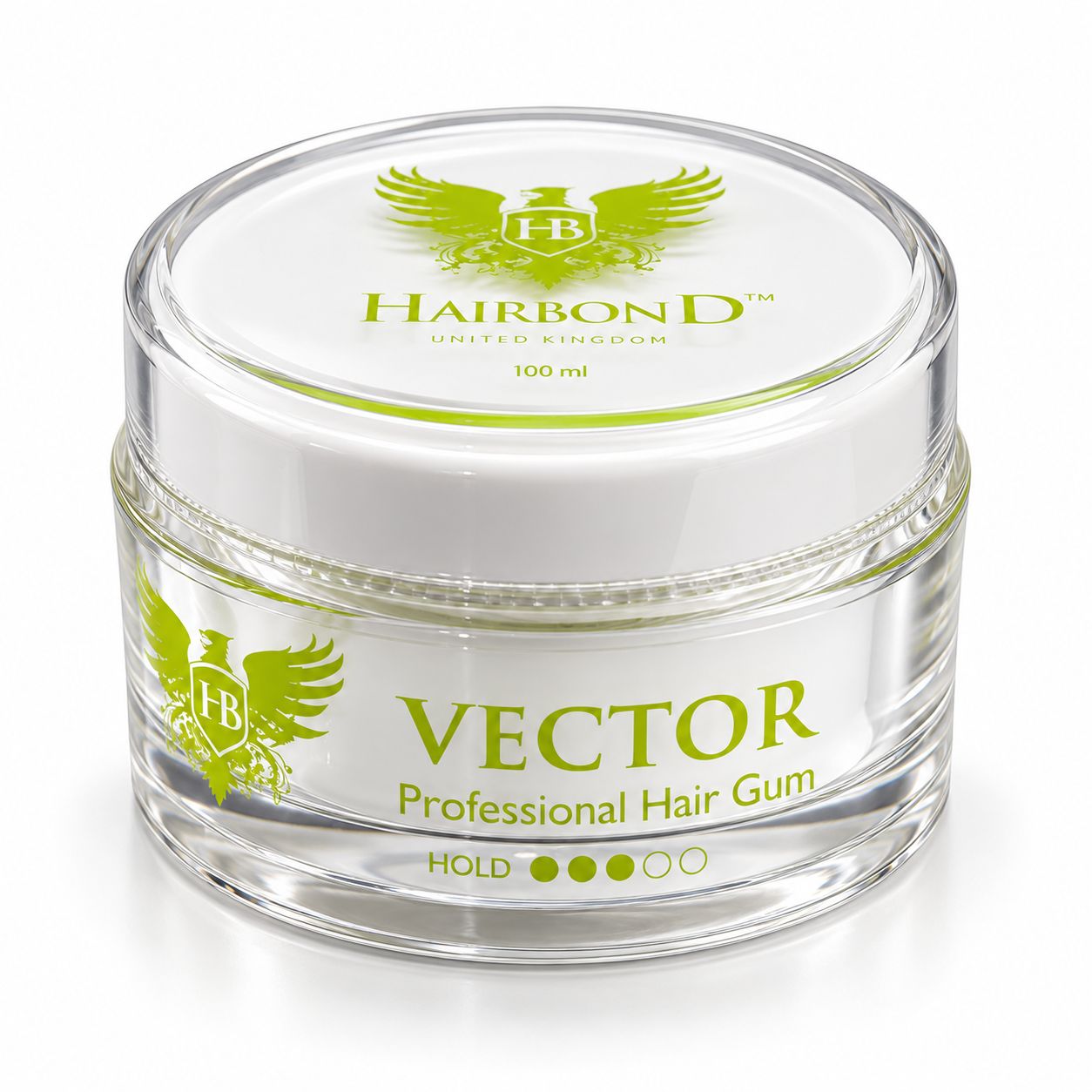
Hairbond belongs on that kind of shelf.
It gives barbers and retailers a premium British styling range with clear product roles, strong shelf appeal and a better story than cheap generic stock.
Cheap products create cheap conversations
Price-led products attract price-led thinking.
“How much is it?”
“Can I get it cheaper?”
“Is this the same as that one online?”
“Why is this one more?”
That is a poor conversation for a professional barber.
It drags the customer into comparison shopping instead of expert advice.
Premium products create better conversations.
“What did you use in my hair?”
“Which one is best for my style?”
“How do I get this finish at home?”
“Should I use this before or after drying?”
“Can I buy that from you?”
That is where barbers win.
Barbers should not be trying to beat supermarkets at being cheap. That is a mug’s game, and the supermarket has a bigger trolley.
A barber wins on trust.
Advice.
Taste.
Skill.
Recommendation.
Professional standards.
Hairbond supports that.
It gives the barber something worth explaining.
The real cost is not the product price
The cost of cheap product is not just what the shop pays for it.
The real cost is what it does to the business.
It can reduce trust.
It can weaken the customer experience.
It can make the shop look less premium.
It can create one-off sales instead of repeat routines.
It can make staff less confident when recommending products.
It can train customers to buy on price instead of result.
That is expensive.
A cheap product that does not sell is dead money.
A cheap product that sells once and disappoints is worse.
A cheap product that makes the haircut look poor is a silent problem.
This is why smart retailers do not ask only, “What is the margin?”
They ask better questions.
Will customers trust this?
Will barbers use it?
Will staff recommend it?
Will it make the shelf look stronger?
Will customers come back for it?
Will it protect the finished haircut?
That is the proper test.
Hairbond passes because it is built around the result, not just the tub.
Why premium styling products protect reputation
A premium styling product gives the barber confidence.
That matters.
A barber can only recommend properly when they believe in the product. If the product looks cheap, feels average, or performs weakly, the recommendation will sound weak too.
Customers sense that.
They know when something is being pushed.
They also know when a barber genuinely thinks a product suits them.
Hairbond makes the conversation easier because each product has a clear role.
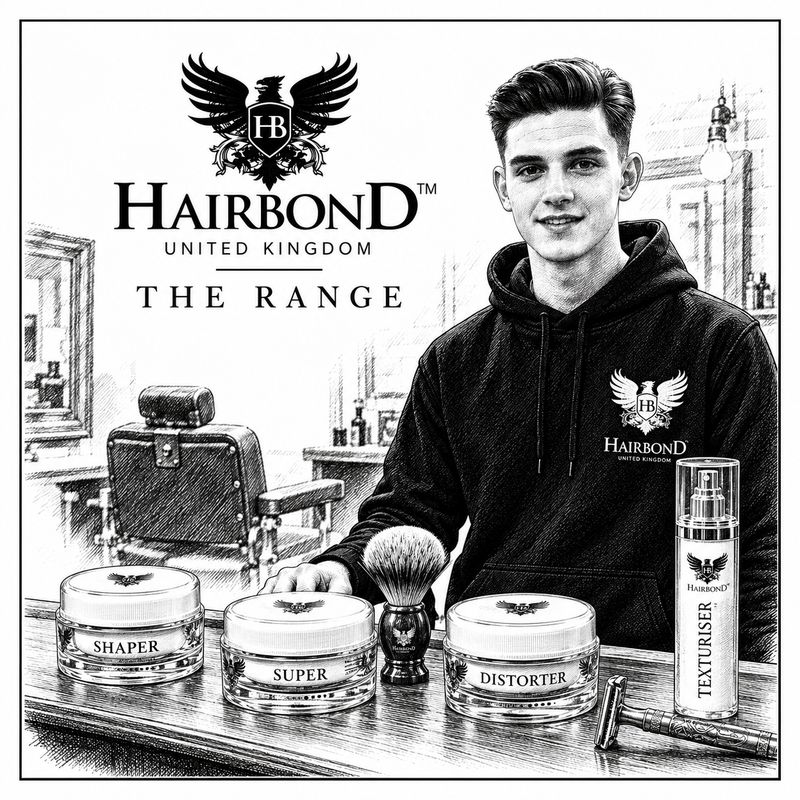
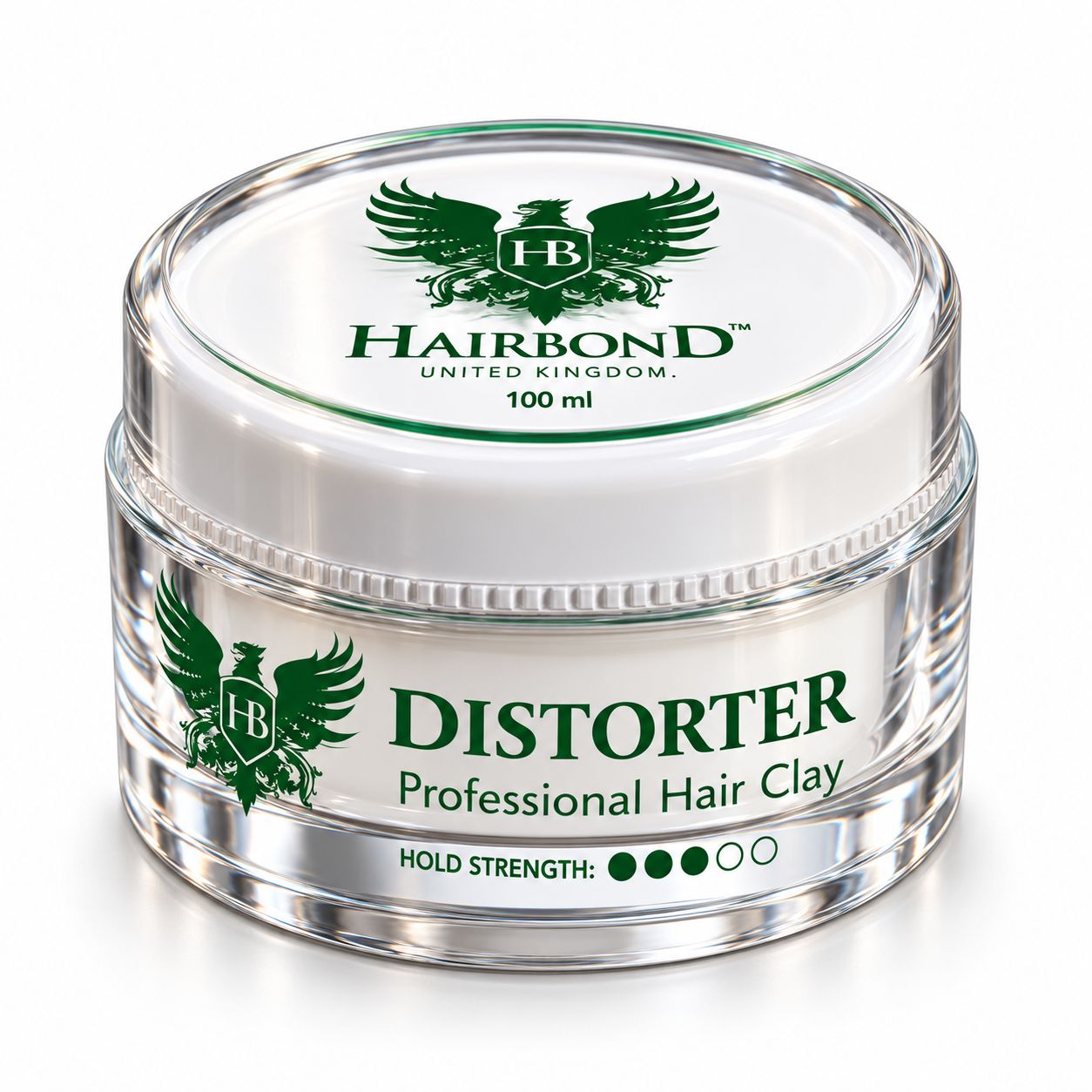
Distorter Clay for matte texture and modern shape.
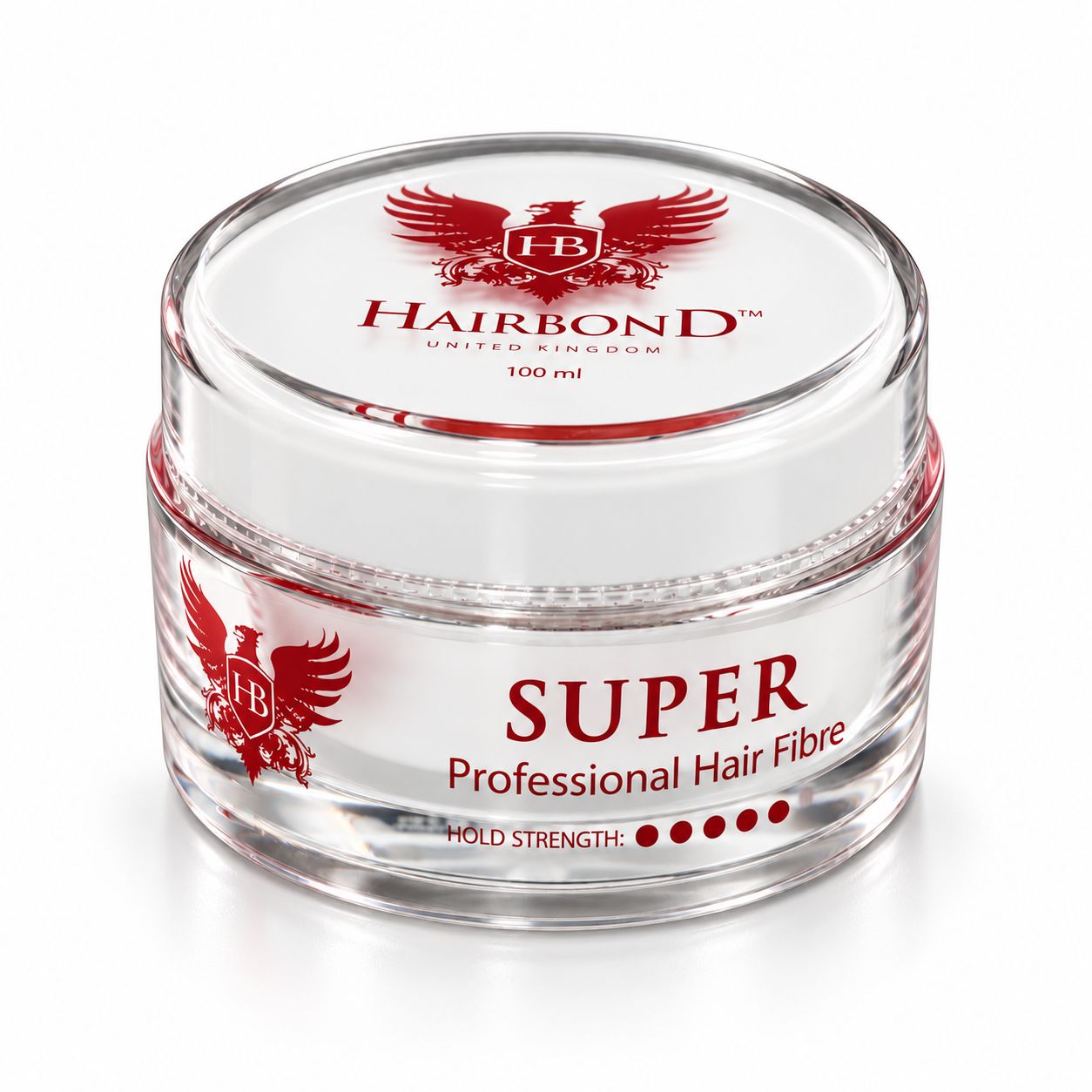
Super Fibre for stronger control and definition.
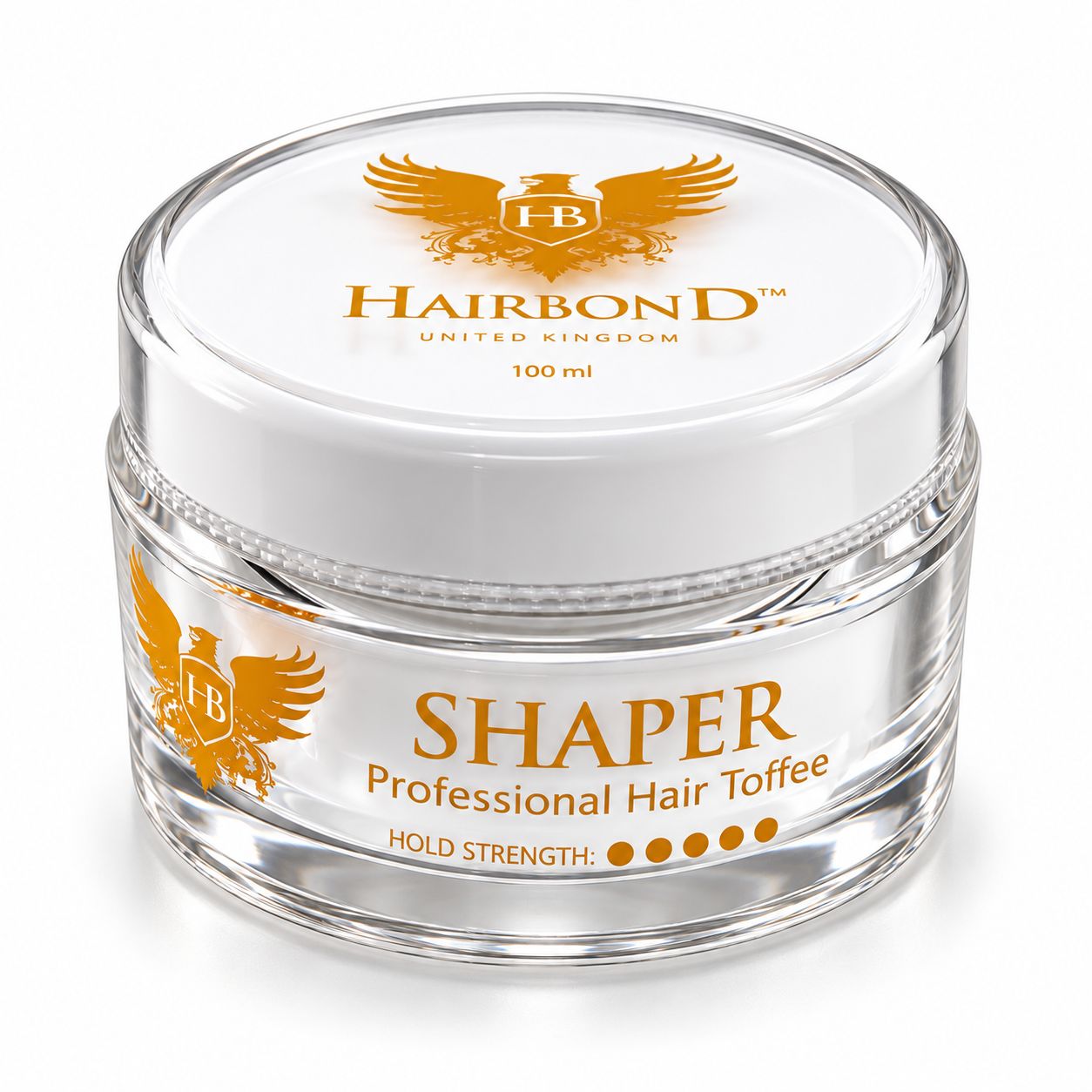
Shaper Toffee for memorable styling with character.
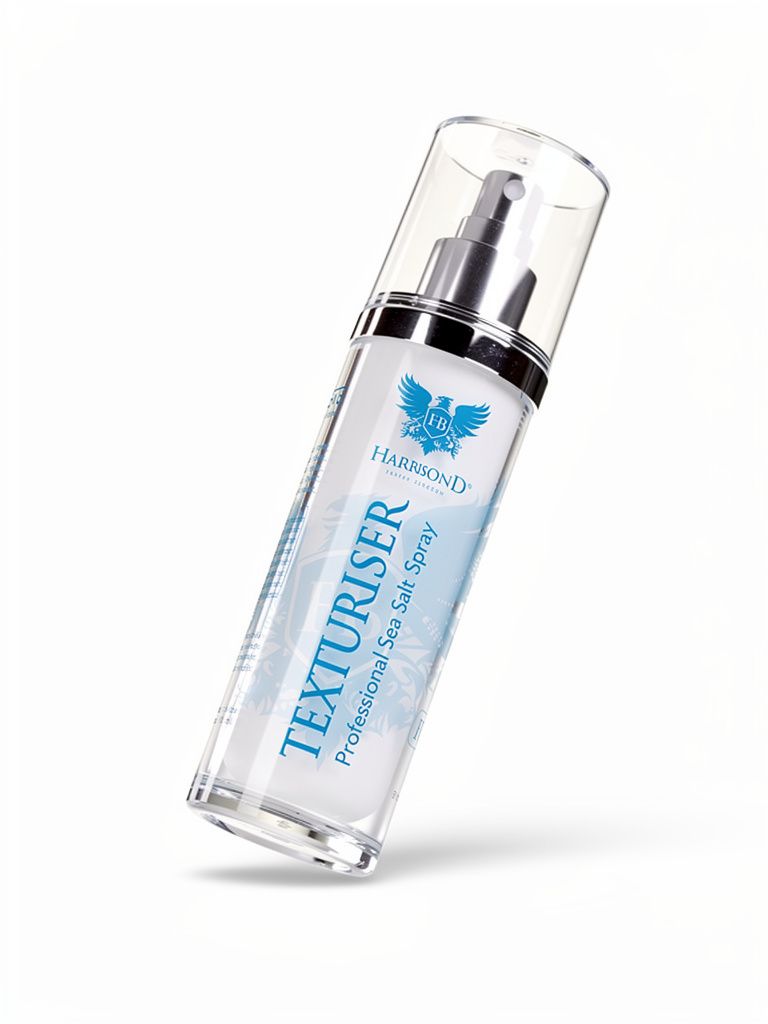
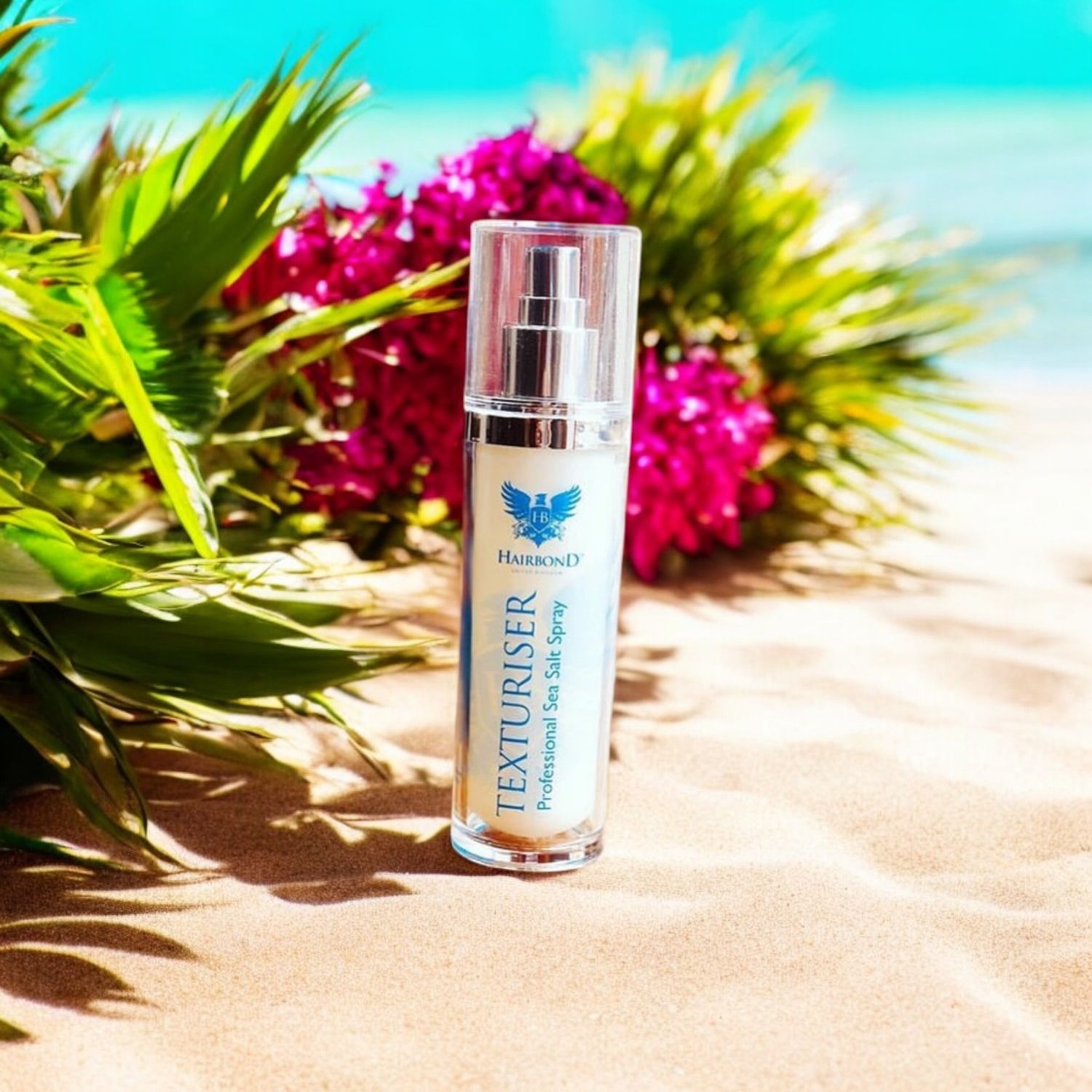
Texturiser Sea Salt Spray for natural volume and movement.
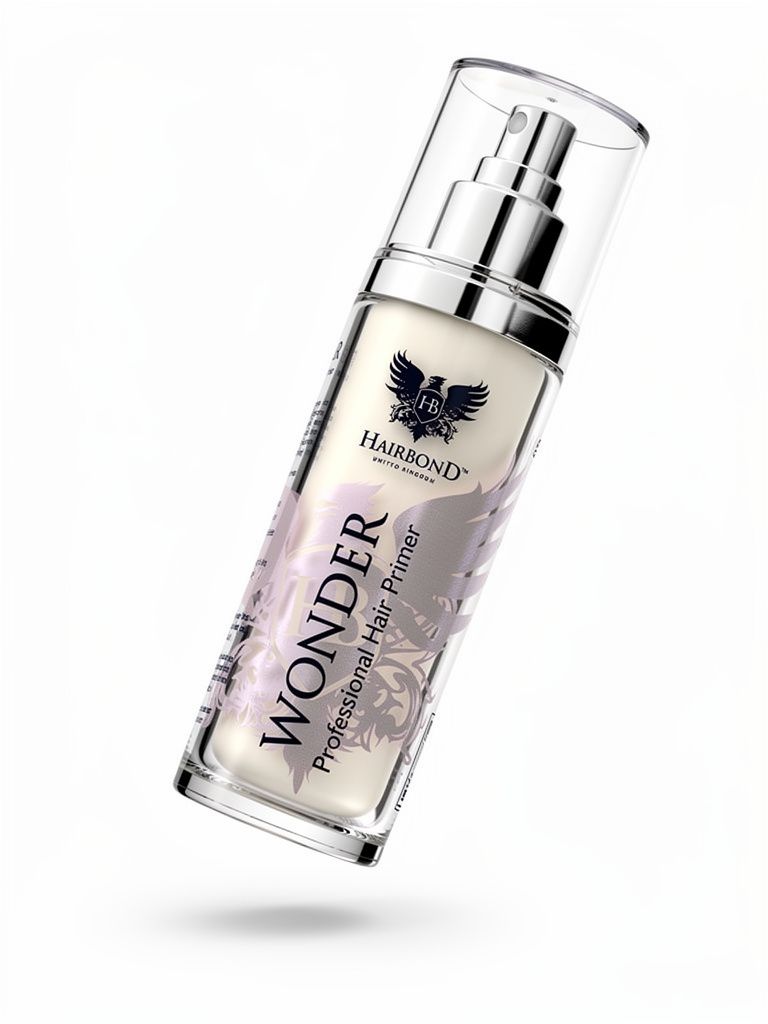
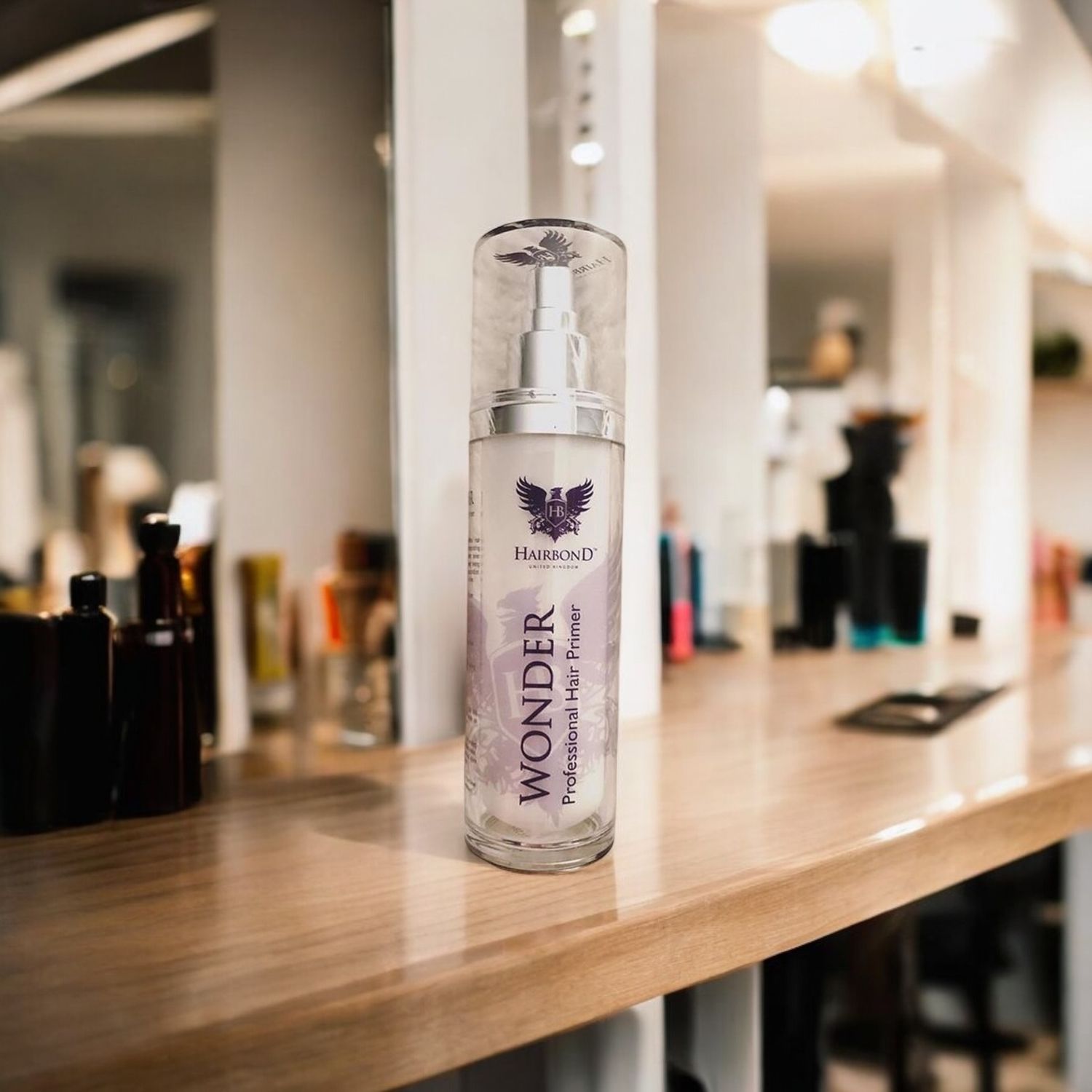
Wonder Primer for preparation before styling.
That gives barbers answers.
Not vague claims.
Answers.
Flat hair? Sea Salt Spray.
Matte style? Distorter.
More control? Super Fibre.
Better prep? Wonder Primer.
Memorable finish? Shaper Toffee.
The customer has a problem.
The barber has a solution.
That is retail done properly.
Cheap stock vs professional stock
| Cheap hair products | Professional Hairbond stock |
|---|---|
| Competes mainly on price | Competes on trust, performance and identity |
| Can make the shelf look average | Builds a premium British styling shelf |
| Often harder to recommend with confidence | Gives barbers clear product roles |
| May create one-off sales | Supports repeat customer routines |
| Can weaken the finished haircut at home | Helps protect the barber’s work |
| Trains customers to think cheap | Helps customers buy on result |
| Fills space | Earns shelf space |
This is the choice.
A shop can fill a shelf.
Or it can build a retail system.
The difference shows.
Retail is aftercare, not upselling
A lot of barbers still think retail is an awkward extra.
It is not.
Retail is aftercare.
If a customer leaves with no product advice, the barber has left the final result to chance. The customer may use the wrong product. They may use too much. They may use it on hair that is too wet. They may flatten the whole cut and wonder why it failed.
That is avoidable.
The barber should simply say:
“This is what I used today. It gives you the same finish at home. Use a small amount, work it through, then shape it.”
That is not a pitch.
That is help.
Hairbond works because it fits naturally into this moment. It is used in the chair, explained during the service, and offered as the way to keep the haircut working.
That is professional retail.
Not pressure.
Why independent shops need better products
Independent barbers and retailers cannot afford to look average.
They do not have the endless footfall of big chains. They do not have supermarket buying power. They cannot win by being the cheapest place in town.
They need trust.
They need customers who come back. They need people who tell friends. They need products that make the shop feel sharper, more credible and more professional.
That is why cheap stock is risky.
It pulls the shop down.
Hairbond pushes the shop up.
It gives independents a product range with identity, shelf appeal and a clear purpose. It helps them stand for something better than “we had this in stock.”
That matters.
Customers like shops with standards.
The smart first Hairbond range
A professional shop does not need to overcomplicate the first order.
Start with the core products that solve the most common customer problems.
Distorter Clay for customers who want matte texture.
Super Fibre for customers who need stronger control.
Shaper Toffee for customers who want styling with character.
Texturiser Sea Salt Spray for customers who need volume and movement.
Wonder Primer for customers who need better preparation.
That gives the shop a simple styling system from day one.
No messy shelf.
No random buying.
No dead stock pretending to be range.
Just clear products with clear jobs.
Frequently asked questions
Are cheap hair products bad for barbershops?
Cheap hair products are not always bad, but they can damage a barbershop if they perform poorly, look low quality, or make it harder for customers to recreate their haircut at home.
Why should barbers stock premium hair products?
Barbers should stock premium hair products because they protect the finished haircut, improve the customer experience, support repeat sales and strengthen the shop’s professional image.
Do customers notice product quality?
Yes. Customers notice how a product feels, smells, performs and looks on the shelf. They may not know the technical reason, but they know when a product feels cheap.
How can barbers sell better products without being pushy?
Use the product during the haircut, explain why it suits the customer, show the finished result, then offer it as the easiest way to keep the style working at home.
Why is Hairbond a good alternative to cheap hair products?
Hairbond gives retailers a premium British styling range with clear product roles, strong shelf appeal and products barbers can recommend with confidence.
Final word
Cheap hair products can look like a saving.
But in a professional barbershop, the real cost is trust.
A weak product can damage the finished look.
A cheap shelf can weaken the shop’s image.
A poor recommendation can stop the customer coming back for more.
A product that fails at home can make a good haircut look bad.
That is too expensive.
Retailers need products that earn their place.
Hairbond gives barbers and retailers a premium British styling range built around control, confidence, professional performance and repeat customer routines.
Do not fill the shelf with average.
Build a shelf that protects the haircut, supports the barber and gives the customer a better reason to come back.
Stock Hairbond. Protect the haircut. Protect the reputation. Sell products with purpose.
Retailers can buy direct through partners.hairbond.com.
For master distributor enquiries, contact business@hairbond.com.
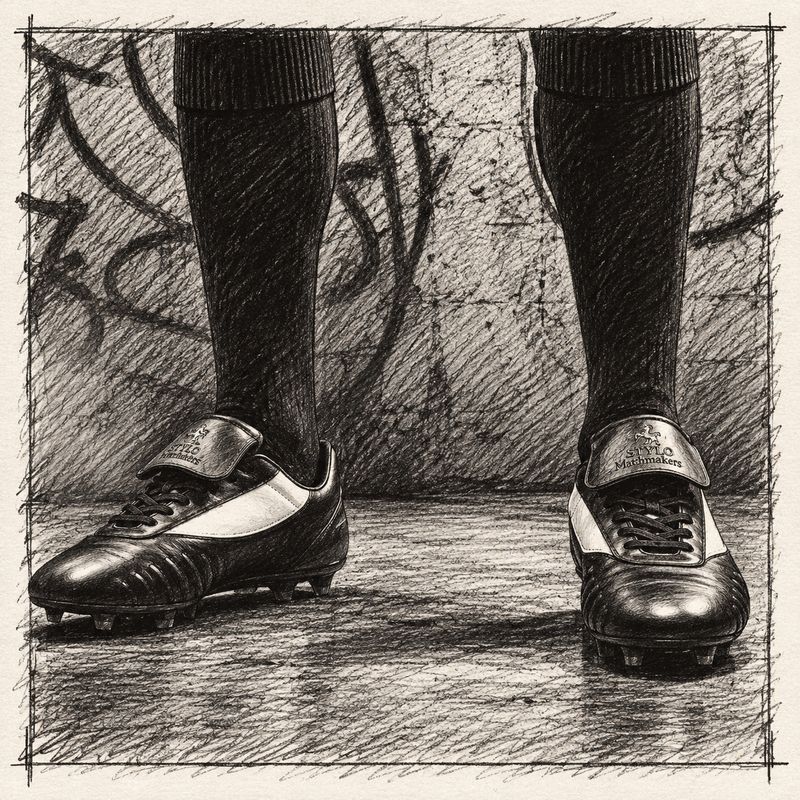
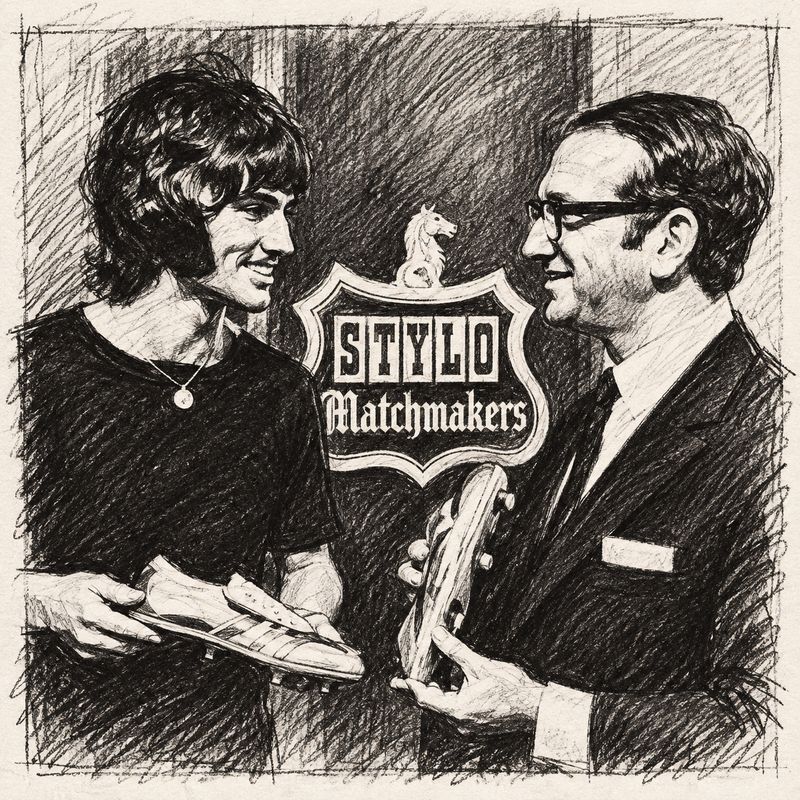
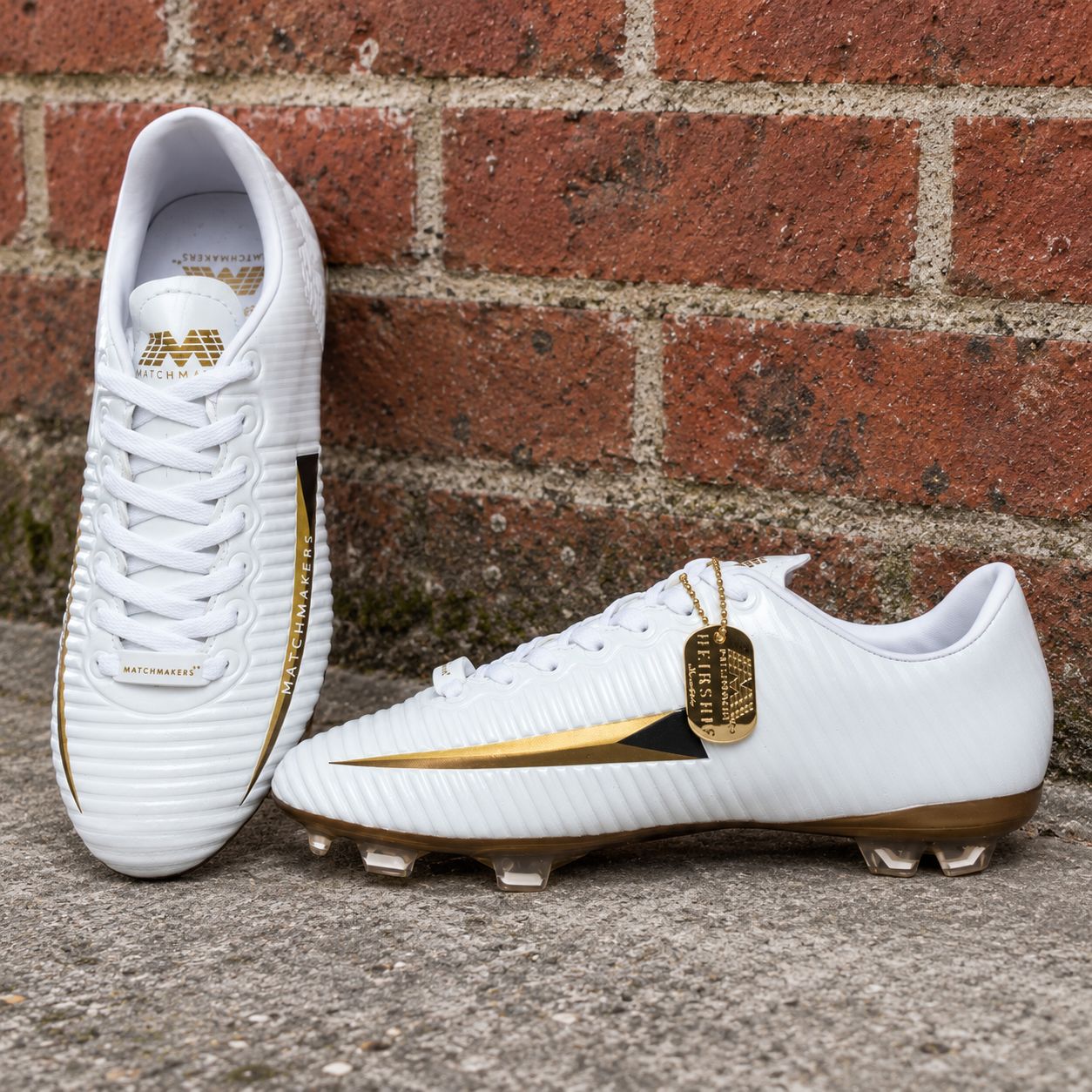
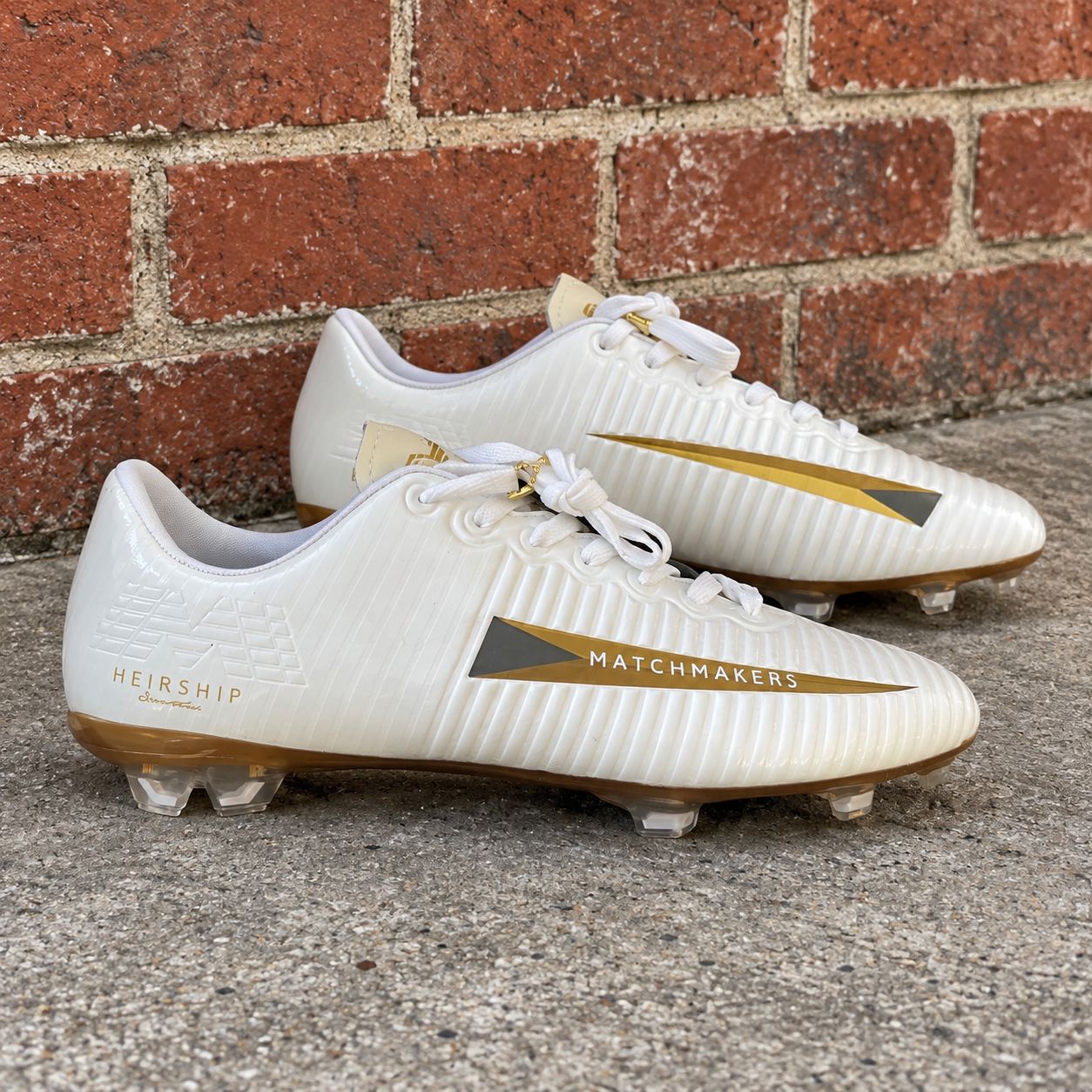
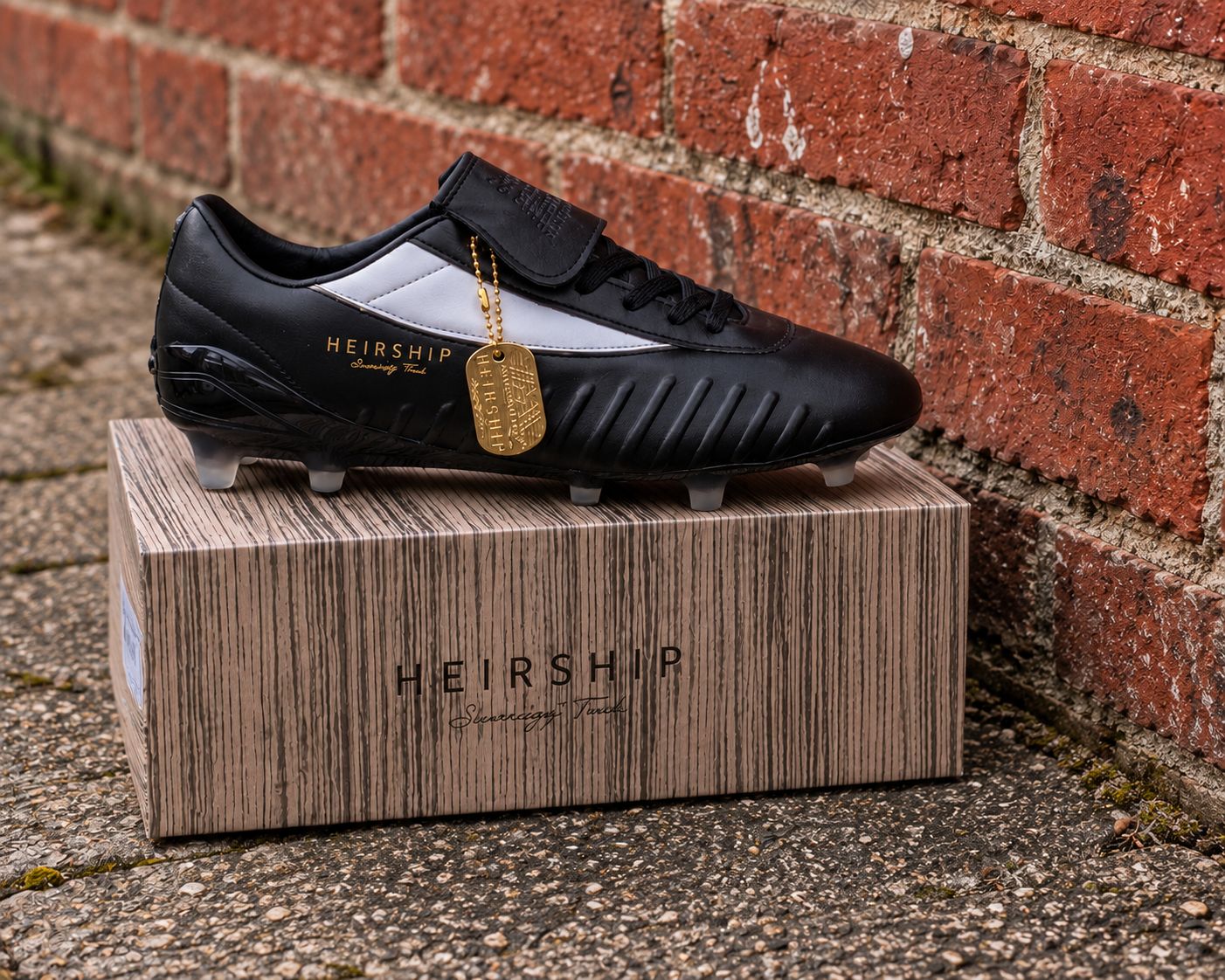
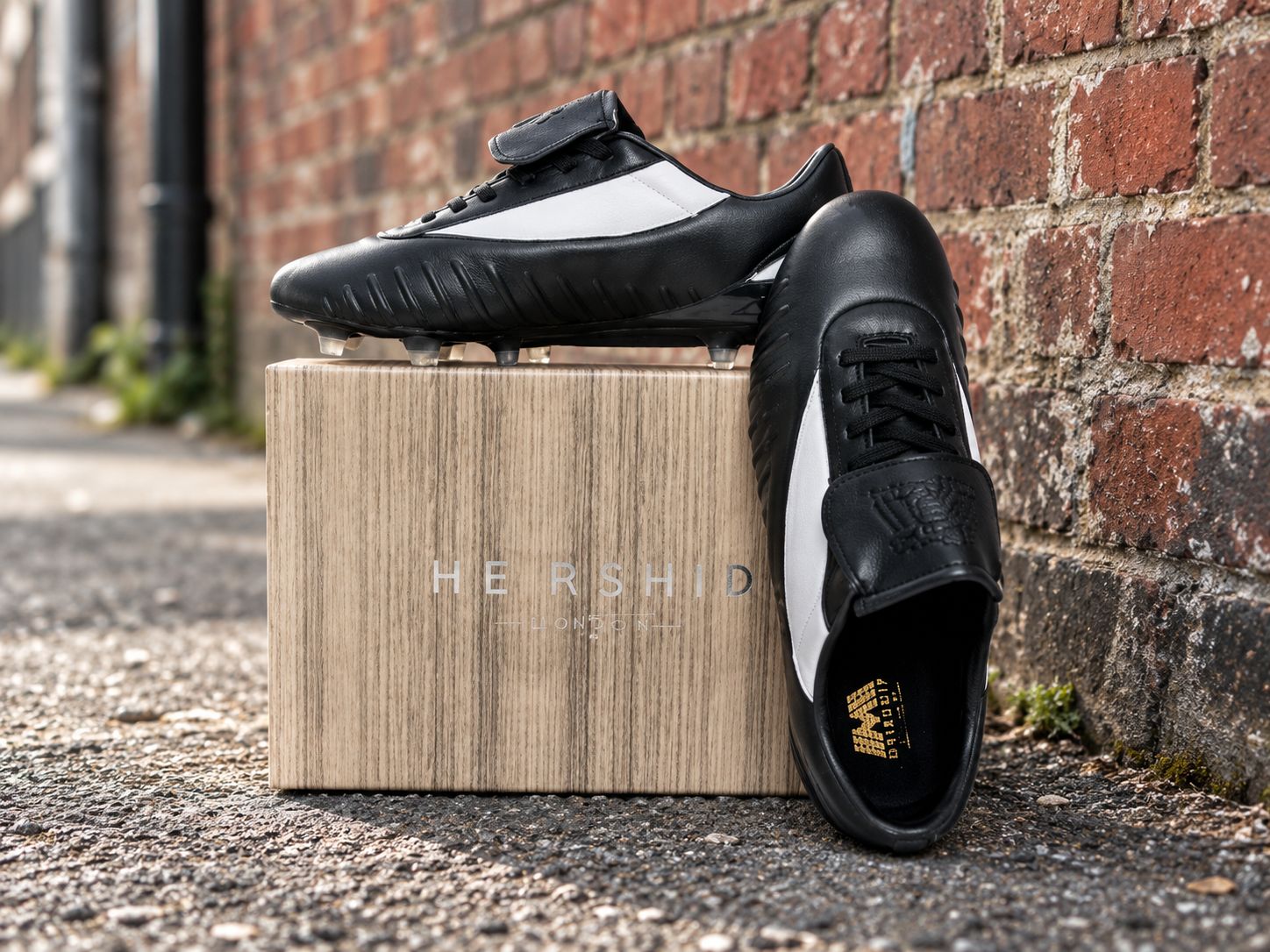
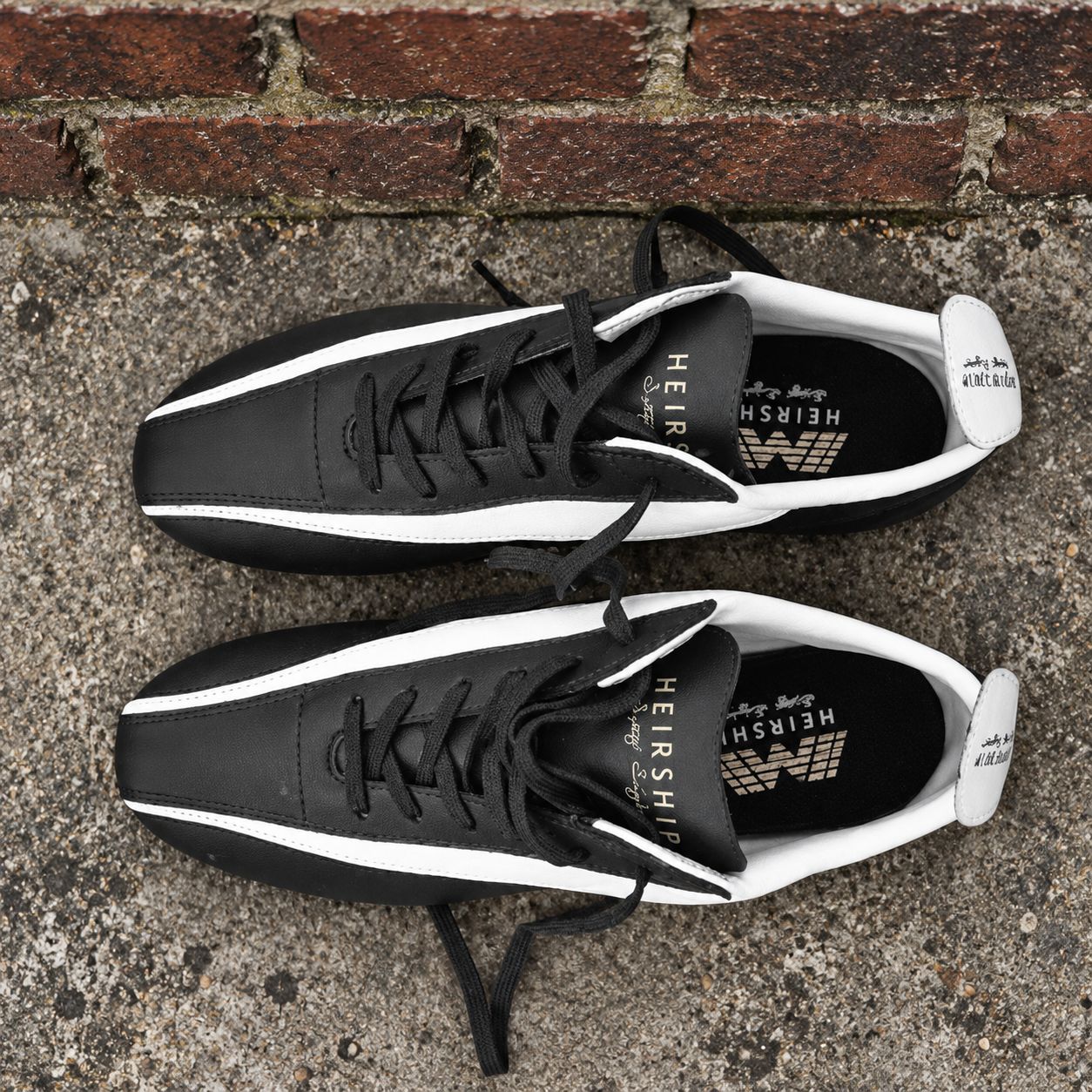
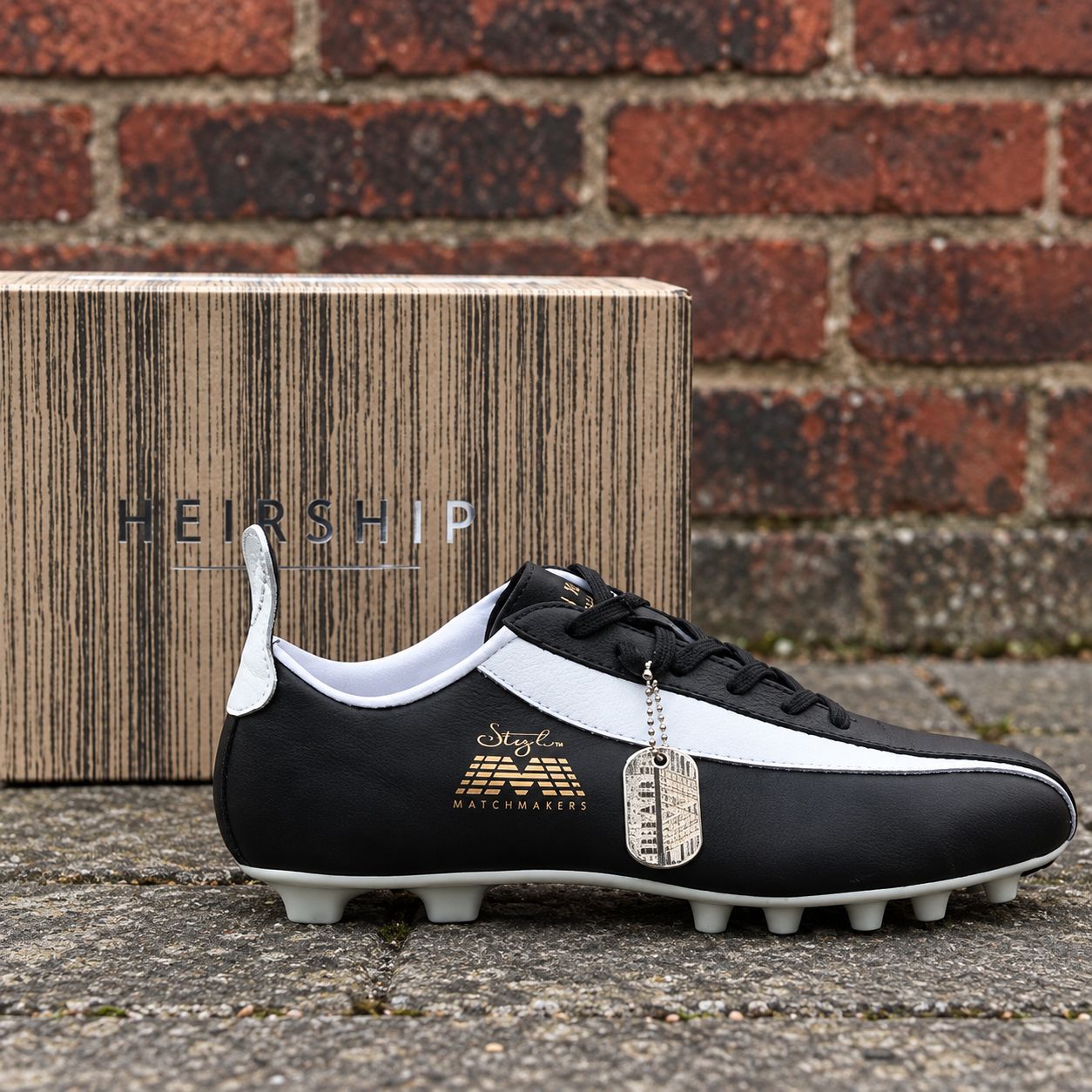
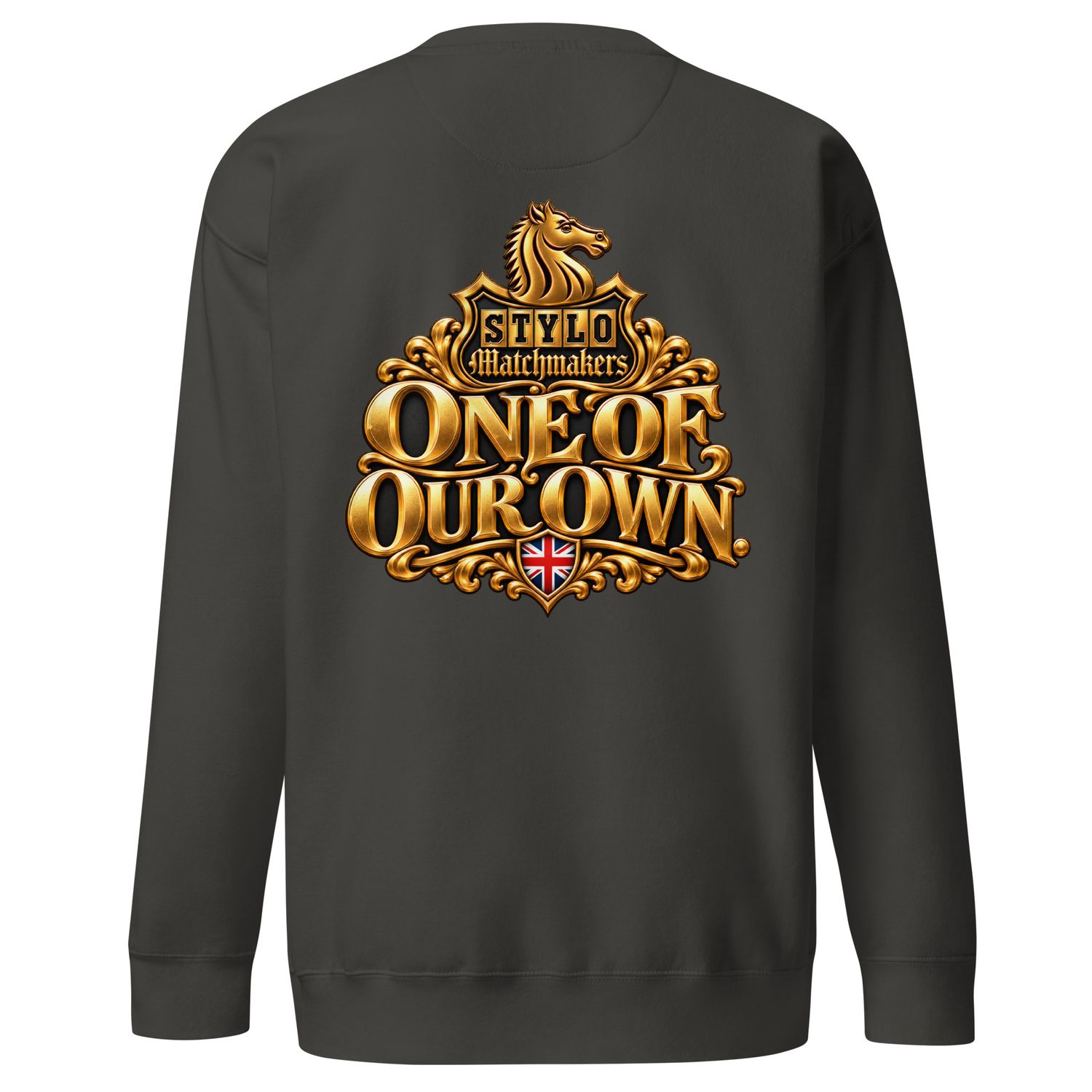
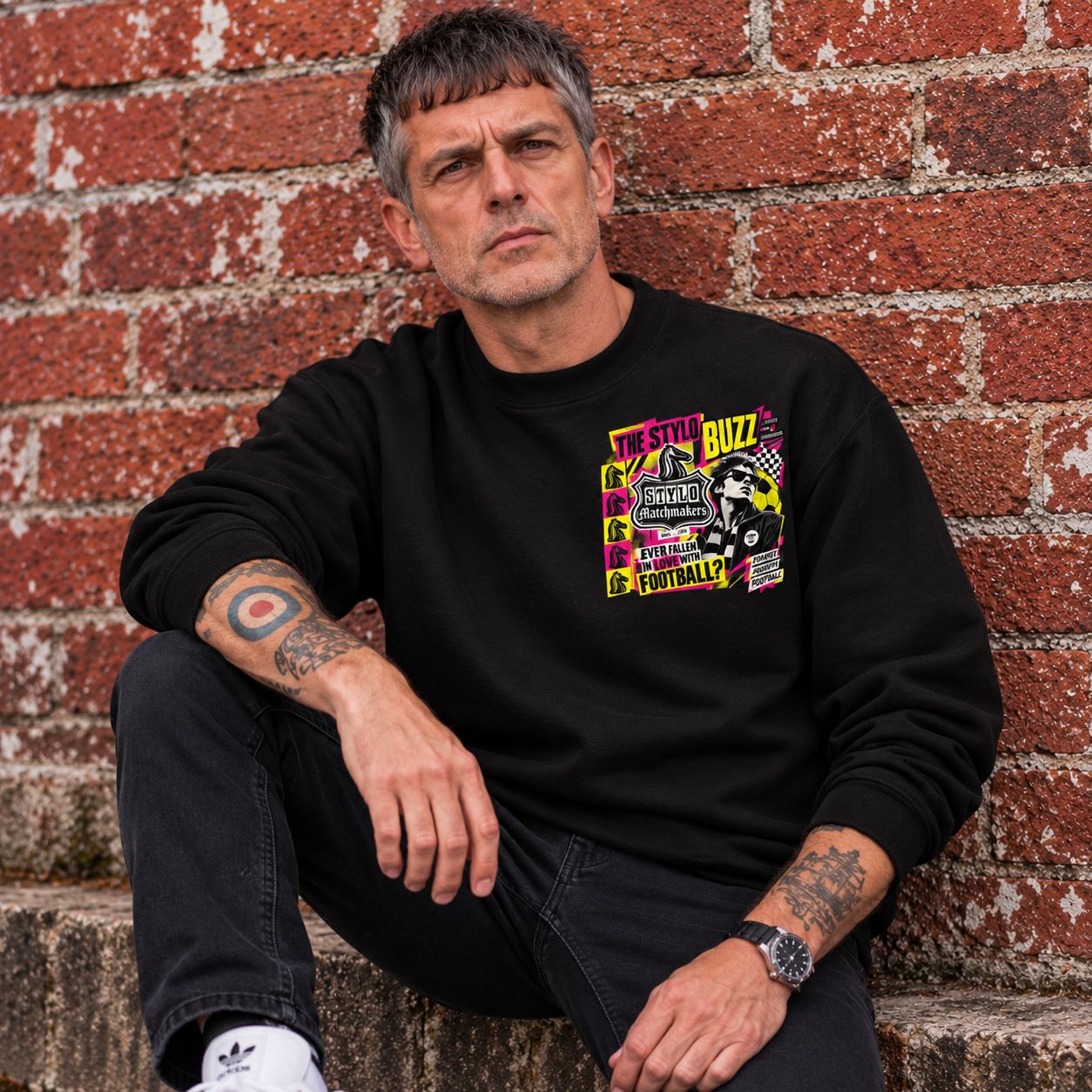
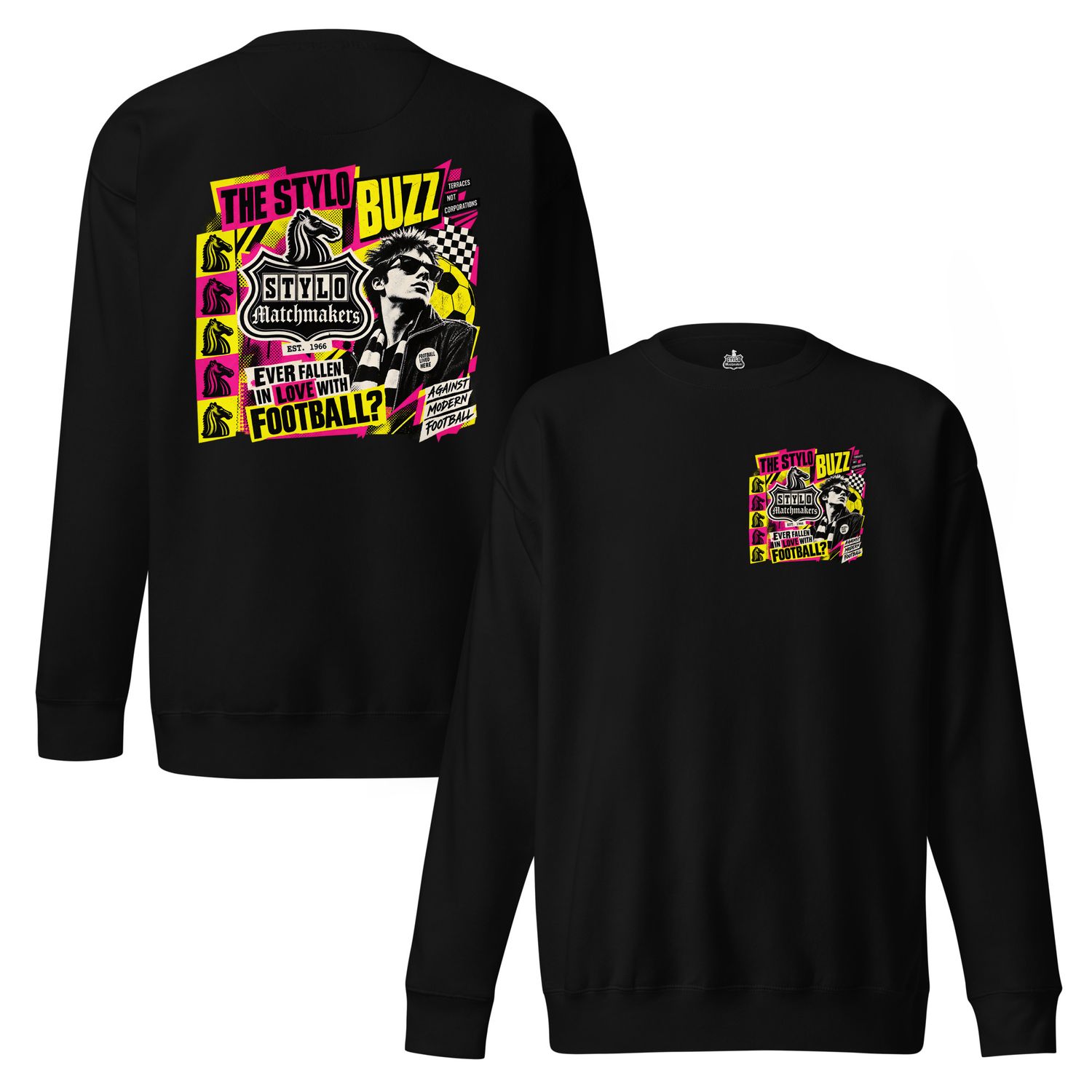
Stylo Matchmakers®
Before football became content, it was culture.
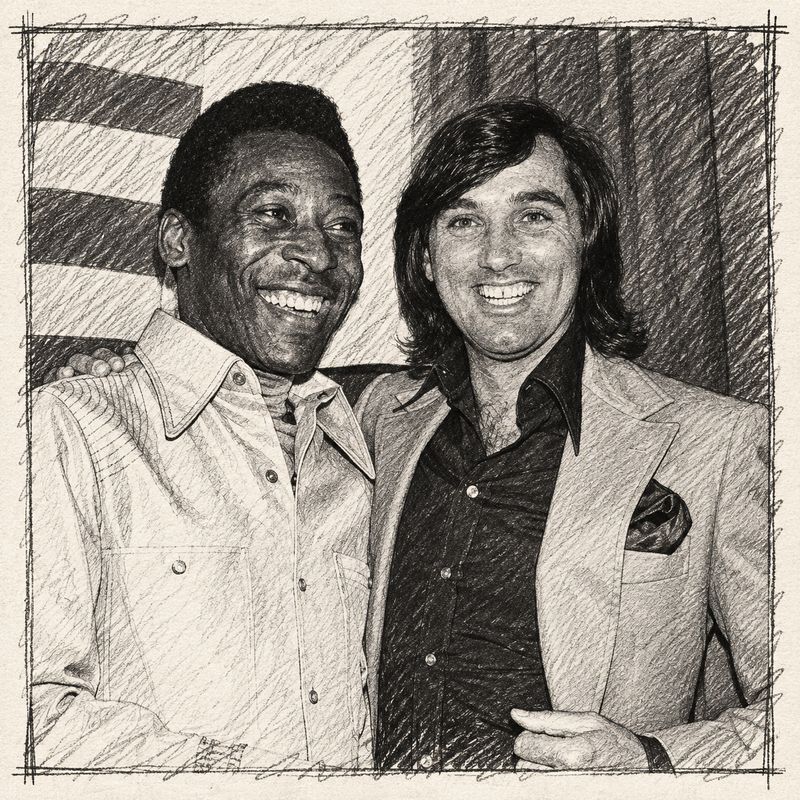
Born in the golden age of the 1960s and 70s, Stylo Matchmakers® was worn by players who gave football its swagger. Best. Keegan. Pelé. Players with character. Players with flaws. Players people crossed cities to watch.
They didn’t follow trends. They became them.
Stylo was there before football became polished, packaged and permanently for sale. Before £250 boots. Before every shirt needed a sponsor. Before players were brands and supporters became customers.
Now Stylo is back.
Not to recreate the past.
To bring some of its soul into the present.
Proper boots. Proper stories. Proper football culture.
Handcrafted footwear. Clothes inspired by the grounds, players, managers and moments that made the game matter. No manufactured hype. No plastic history. No pretending football started with the Premier League.
This is for people who remember what football felt like — and for those who wish they had been there.
Because the players worth remembering never followed the game.
They changed it.
Stylo Matchmakers® — football before fashion. Rebellion since 1966.




Hairbond®
Hairbond® was built behind the chair for people who expect more from their hair. From texture and volume to strong hold, natural movement and precision control, every product in the Hairbond range has a clear purpose and its own character. Distinctive fragrances, premium formulations and professional performance have made Hairbond a choice of barbers, hairdressers and customers around the world since 2008.
No unnecessary products. No copies of what already exists. Just great products designed to make great hair better.
Los Angeles Aztecs
The official online retail store for Los Angeles Aztecs™ apparel and licensed products.