What is the difference between Hairbond and generic hair wax?
Hairbond gives retailers a premium British styling brand with clear product roles, professional performance and stronger shelf appeal. Generic hair wax usually competes on price, has less brand identity, and gives barbers less to explain or recommend.
That matters.
Because a product does not sit on a shelf quietly.
It sends a message.
A cheap product says one thing.
A premium product says another.
The customer may not say it out loud, but they notice. They notice the packaging. They notice the feel. They notice the scent. They notice whether the product works at home. They notice whether the style lasts or falls apart before the day has started properly.
Retailers cannot afford dead products.
Barbers cannot afford products that make their work look weaker.
And customers do not want to waste money on another tub that promises control and delivers disappointment.
That is why Hairbond matters.
Hairbond is not just another hair wax. It is premium British styling built for control, confidence and professional performance.
Generic products sell a tub.
Hairbond sells the finished look.
The problem with generic hair wax
Generic hair wax is everywhere.
Same claims.
Same plastic tubs.
Same “strong hold” language.
Same tired promise that this one is somehow different.
Most of it is not different.
It is just another low-cost styling product trying to look premium from across the room. That may work once. It does not build loyalty.
The problem is not only the formula. The problem is the whole retail experience.
A generic product has no story.
No identity.
No clear emotional pull.
No reason for the customer to ask for it again.
It becomes a price item.
And price is a dangerous game.
There is always someone cheaper. There is always another supplier willing to cut the margin thinner. There is always another anonymous product ready to sit on the same shelf and say the same thing.
That is not retail strategy.
That is a race to the bottom with better labels.
Cheap products can damage a premium haircut
A barber can spend forty minutes building a great haircut.
The fade is clean.
The shape is right.
The texture works.
The customer looks sharper.
Then the wrong product ruins it.
Too much grease.
Too much shine.
Not enough control.
Too heavy.
Too sticky.
Too forgettable.
By the next morning, the customer cannot recreate the look. The hair falls flat. The finish looks wrong. The style does not feel like the one they paid for.
Here is the brutal truth.
The customer often blames the haircut before they blame the product.
That is unfair on the barber, but it happens.
That is why professional product choice matters.
The product protects the haircut after the customer leaves the chair. It helps the customer keep the result. It turns the barber’s work into something that survives outside the shop.
Hairbond is built for that job.
It is styling aftercare.
Hairbond gives retailers something stronger to sell
A retailer needs more than stock.
A retailer needs a reason.
Hairbond gives that reason.
It has a British identity. It has a professional styling position. It has a product range with clear roles. It gives barbers and retailers a story they can actually explain.
That is powerful because customers do not always know what they need.
They know the problem.
“My hair goes flat.”
“I do not want it shiny.”
“I need more control.”
“I want texture.”
“I want it to look natural.”
“I want it to last.”
Hairbond gives the retailer answers.
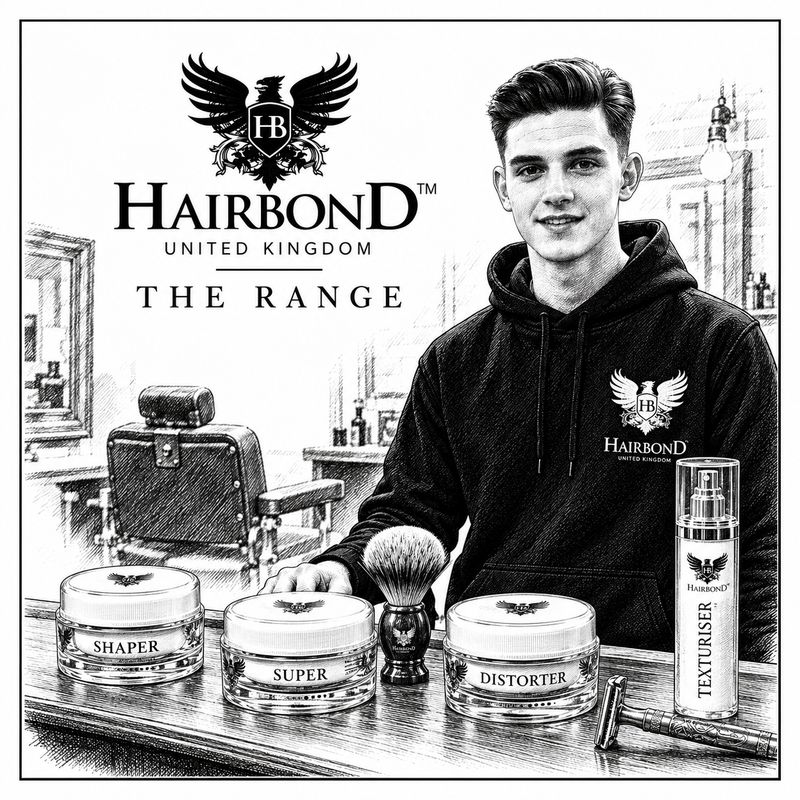
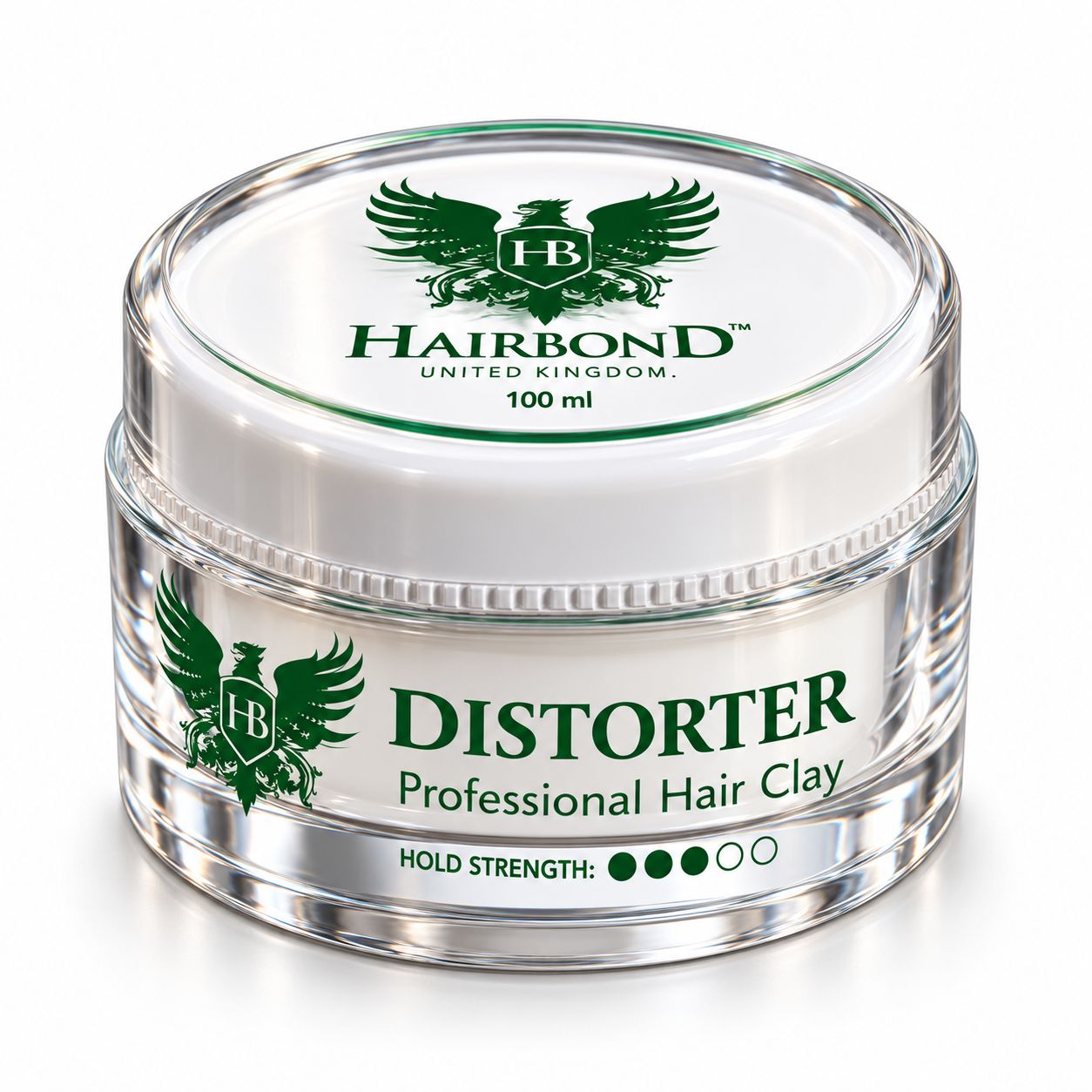
Distorter Clay for matte texture.
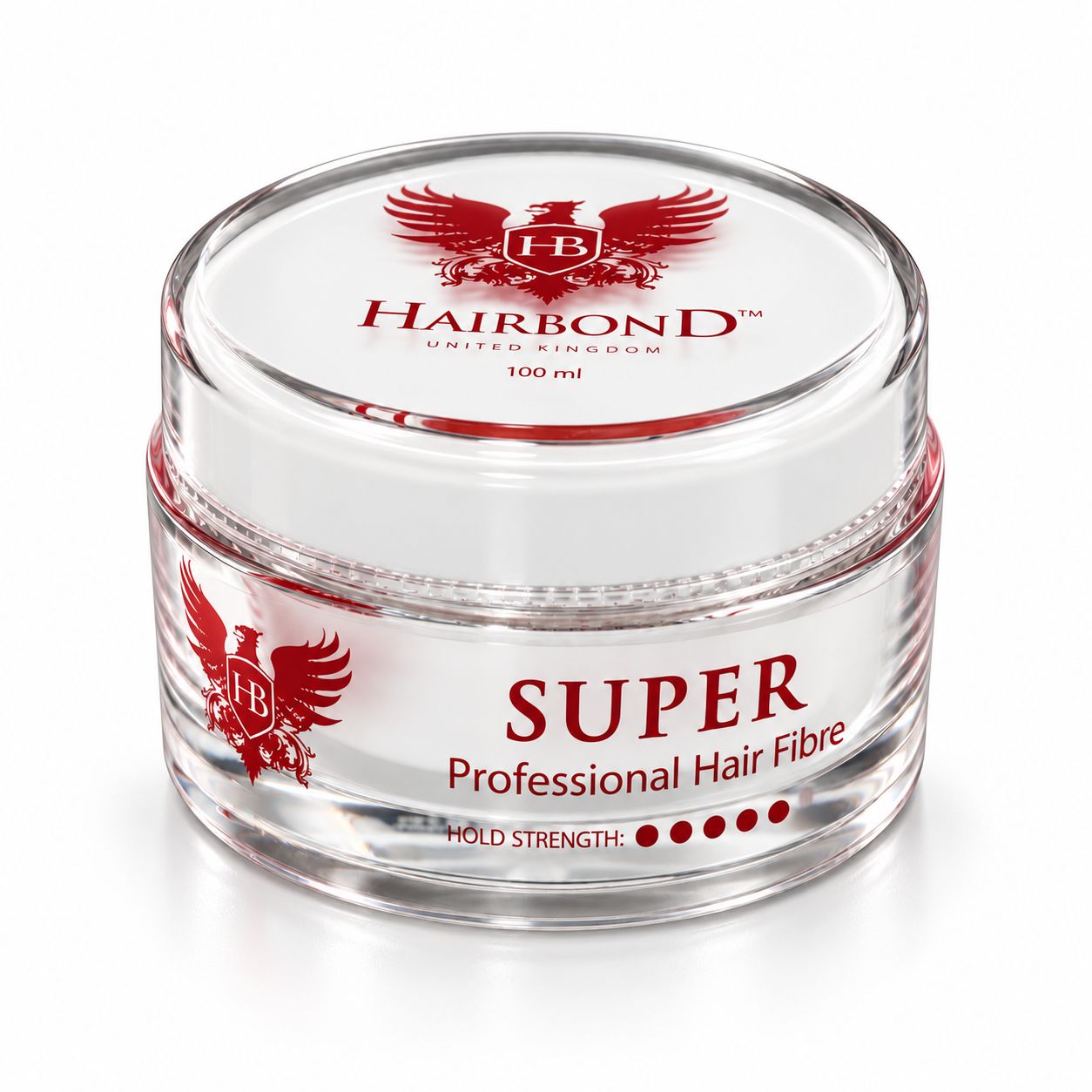
Super Fibre for stronger control.
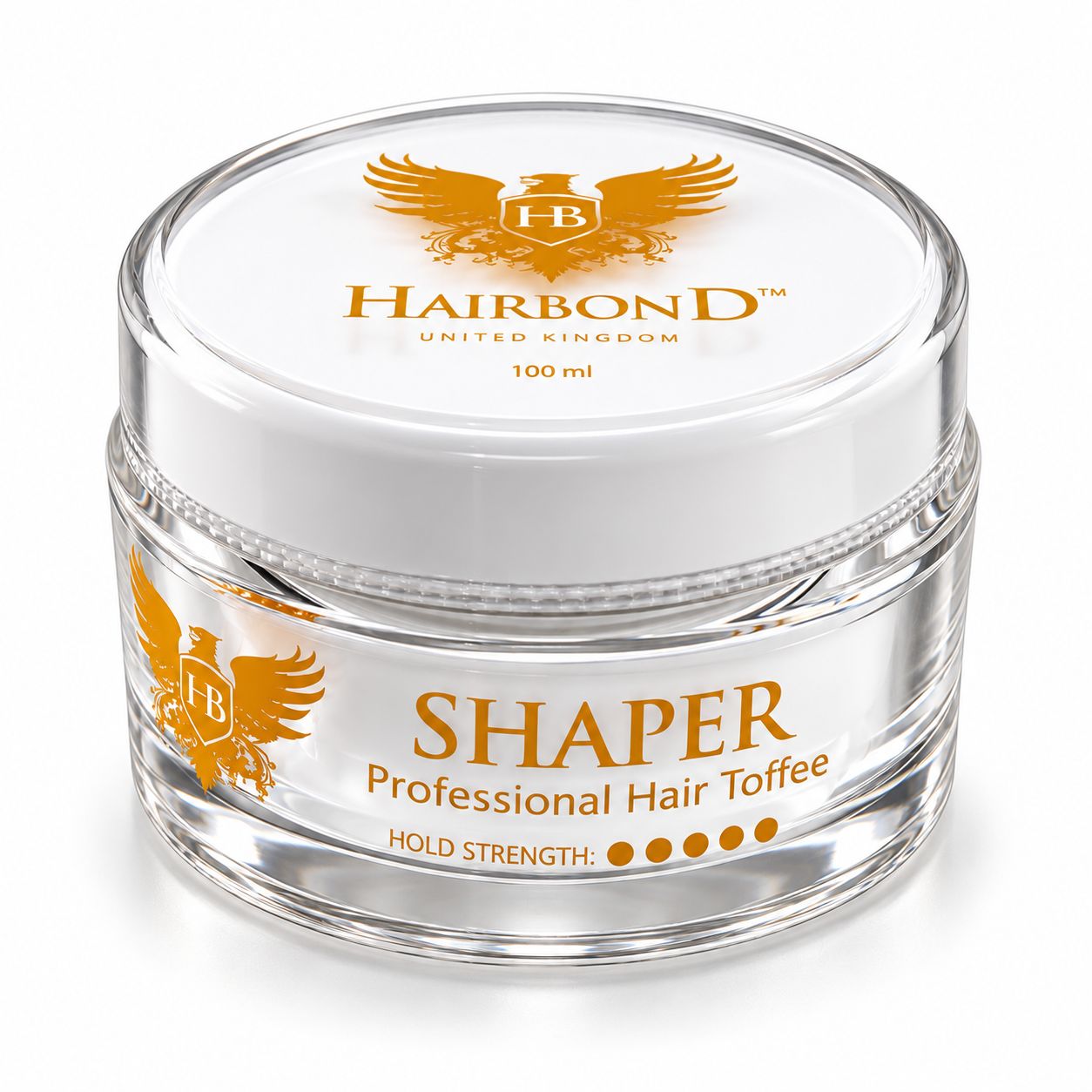
Shaper Toffee for memorable styling.
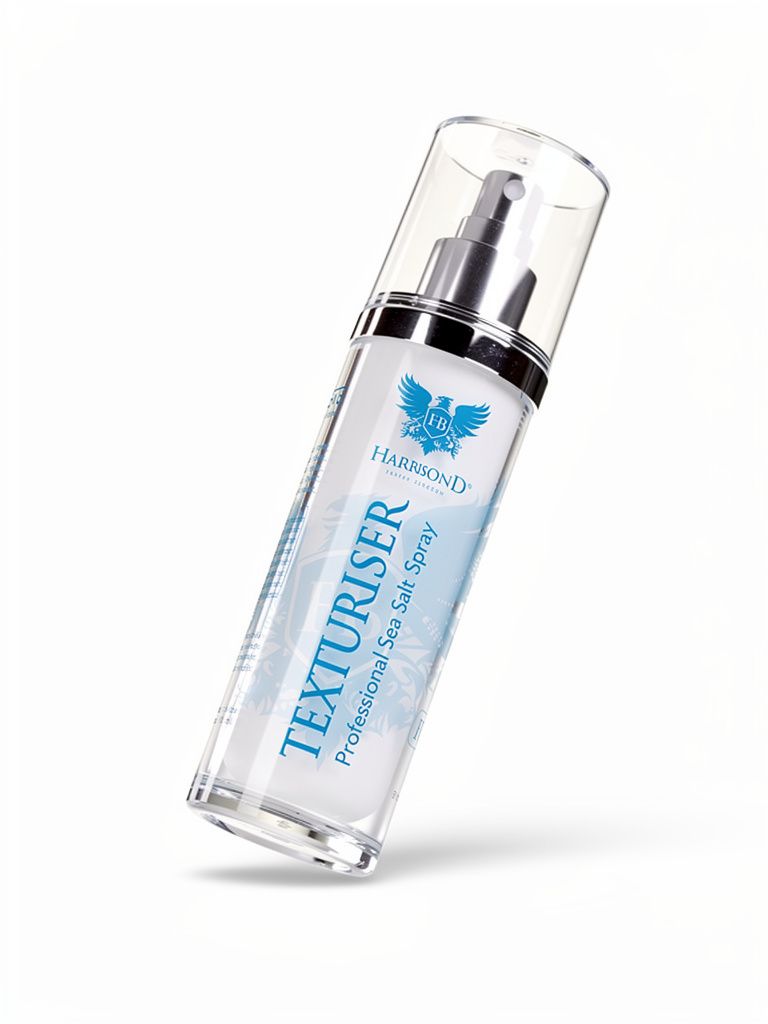
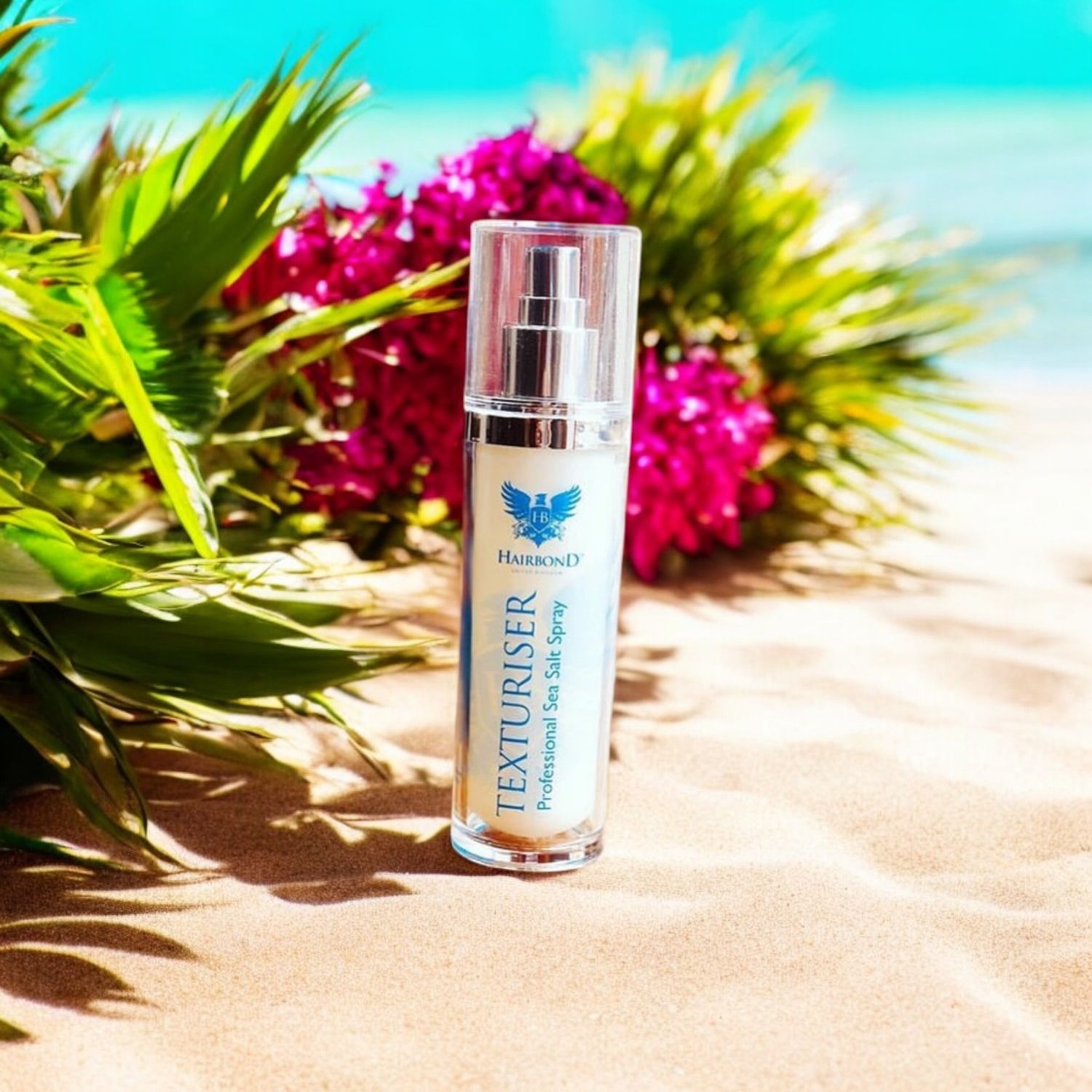
Texturiser Sea Salt Spray for natural volume.
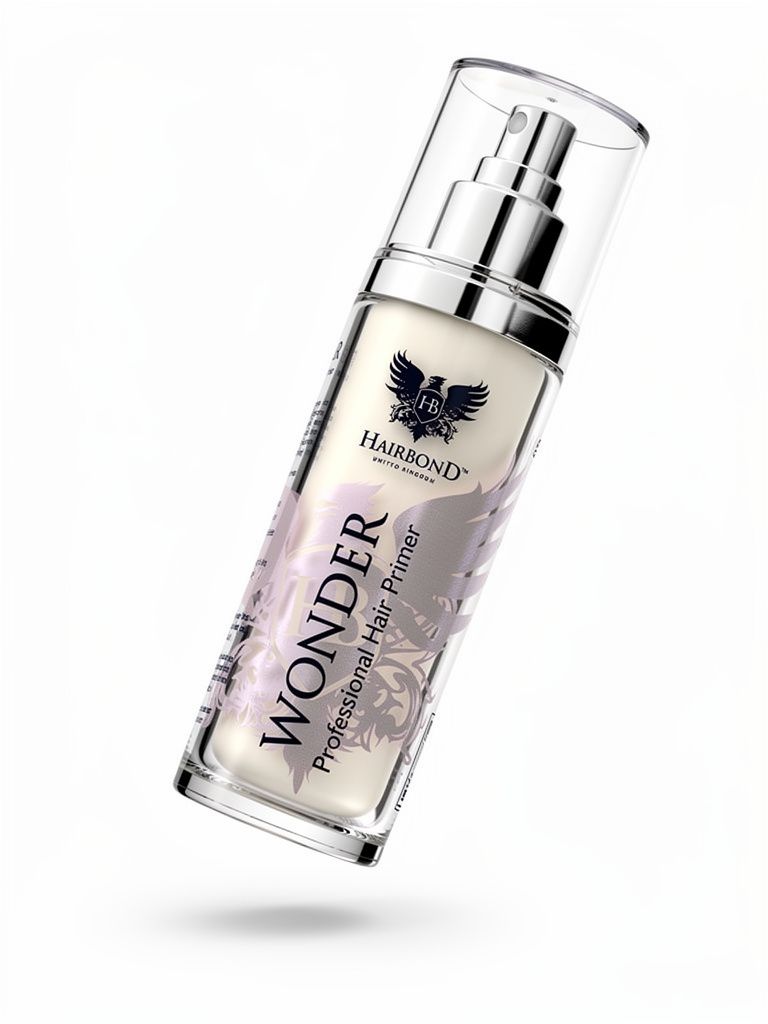
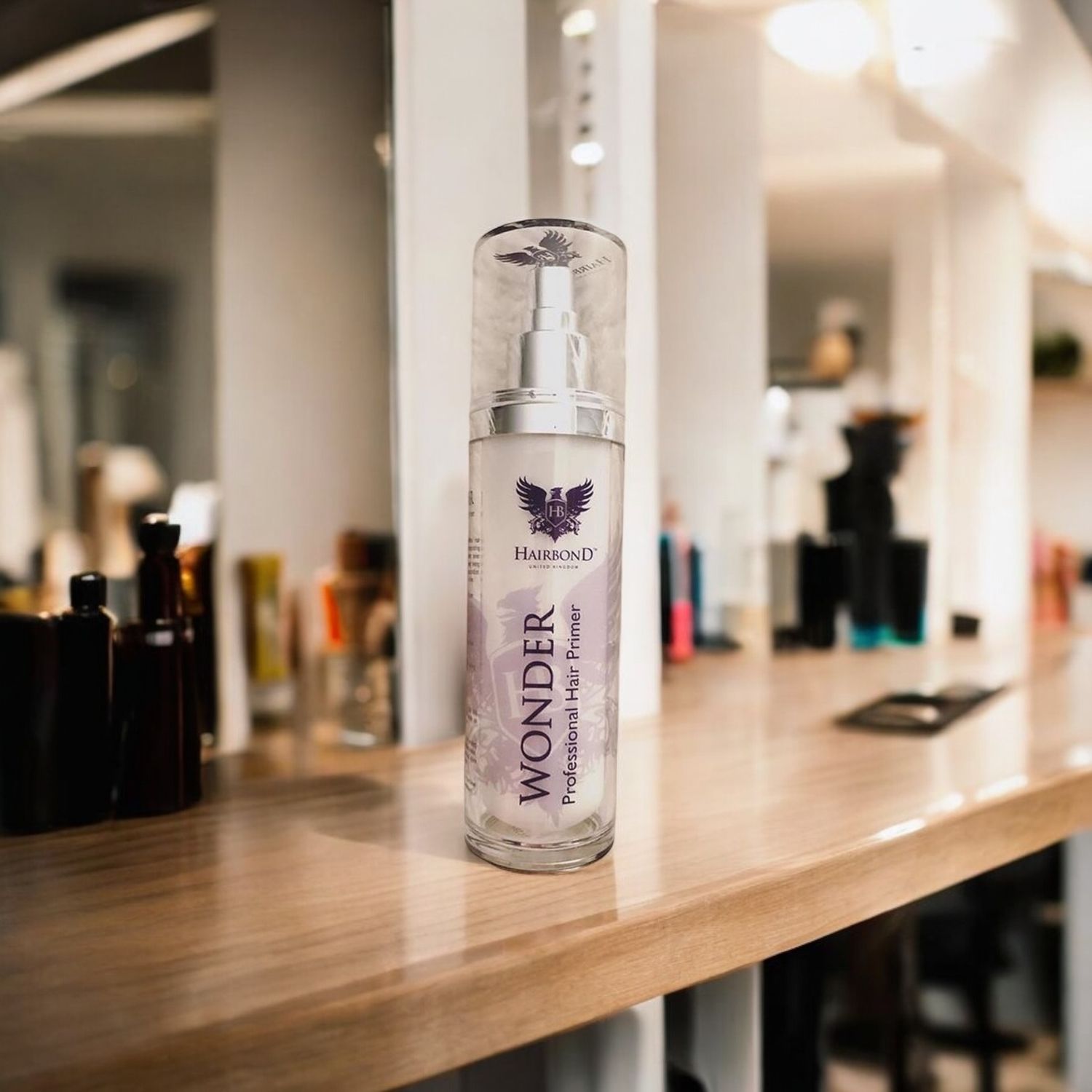
Wonder Primer for preparation before styling.
That is not random product.
That is a system.
And a system is easier to sell than a shelf full of guesses.
Hairbond vs generic hair wax
| Generic hair wax | Hairbond |
|---|---|
| Competes mainly on price | Competes on performance, identity and trust |
| Often looks like shelf filler | Built as a premium British styling brand |
| Harder for staff to explain | Clear product roles for different styling needs |
| Usually has weak emotional value | Sells control, confidence and the finished look |
| Can feel anonymous | Has brand character and professional positioning |
| Often creates one-off sales | Built for repeat routines and return customers |
| Gives barbers less to recommend | Gives barbers a natural aftercare product |
| Easy to replace | Easier to remember |
This is the real difference.
Generic products need discounting.
Hairbond gives retailers a better story.
And in retail, the better story often wins.
Customers do not want average
A lot of men will say they do not care about grooming.
Then they check the mirror three times before leaving the house.
That tells the truth.
People care how they look. They care even more when they are going somewhere that matters. Work. A night out. A wedding. A date. A family photo. A football match. A meeting where they need to look like they have their life under control, even if the car is full of old receipts and one lost trainer.
Hair product is small.
The feeling is not.
A customer does not buy Hairbond because they want a tub on the bathroom shelf.
They buy it because they want their hair to work.
They want control.
They want confidence.
They want to feel sorted.
That is what premium styling gives them.
That is what generic products often miss.
They sell hold.
Hairbond sells the result.
Why premium products create better repeat sales
A cheap product can get a first purchase.
A good product gets the second.
That is where the money is.
Retailers should care about repeat purchase because styling products are routine products. If the product works, the customer uses it again. When it runs out, they come back. If the barber used it on them, they ask for the same one.
That is how retail becomes predictable.
Not by chasing the cheapest stock.
By giving customers products they trust.
A premium styling product earns its place when it becomes part of the customer’s morning routine. That is the moment the product stops being “something I bought” and becomes “the thing I use.”
Hairbond is built for that.
It is not a novelty product. It is not a gimmick. It is not a one-day trick.
It is a range retailers can build around.
How barbers can explain the difference
The best way to explain Hairbond is not with a lecture.
Use the product during the service.
Then say:
“This is what I used today. It gives you the same finish at home.”
That one sentence beats a brochure.
For matte texture:
“This is Distorter. It gives you texture without the greasy shine.”
For stronger control:
“This is Super Fibre. It gives you hold, but the hair still moves.”
For volume:
“This is Sea Salt Spray. It gives the hair texture before the main product goes in.”
For preparation:
“This is Wonder Primer. It makes the hair easier to style before finishing.”
For character:
“This is Shaper Toffee. It works, but people remember it too.”
That is how barbers sell without feeling pushy.
They are not pushing stock.
They are protecting the haircut.
Why retailers should not race to the bottom
Cheap products attract cheap conversations.
“How much is it?”
“Can I get it cheaper online?”
“Is this the same as that one?”
“Why is this one more?”
Premium products create better conversations.
“What did you use in my hair?”
“Which one is best for me?”
“How do I get this look at home?”
“Can I buy that from you?”
That is the difference.
Hairbond lets retailers talk about the result, not just the price.
That matters because independent retailers, barbers and salons should not try to beat supermarkets at being cheap. They should win on trust, advice, identity and product choice.
Big chains can pile products high.
Independent retailers can choose better.
Hairbond is made for that kind of shop.
Frequently asked questions
Is Hairbond better than generic hair wax?
Hairbond gives retailers a stronger brand story, clearer product roles and premium positioning. Generic hair wax usually competes mainly on price and often gives barbers less to explain or recommend.
Why should barbers avoid cheap styling products?
Cheap styling products can weaken the finished look, reduce customer trust and make it harder for clients to recreate the haircut at home.
Do customers pay more for premium hair products?
Customers will pay more when they understand the benefit. If a product helps them keep the finished style at home, the price becomes easier to justify.
What makes Hairbond good for retail?
Hairbond is good for retail because it has clear product roles, strong shelf appeal, professional positioning and repeat-purchase potential.
Which Hairbond product should retailers stock first?
A strong starter range is Distorter Clay, Super Fibre, Shaper Toffee, Texturiser Sea Salt Spray and Wonder Primer.
How can barbers sell Hairbond without pressure?
Use the product during the haircut, explain what it does, show the result, and offer it as the easiest way to recreate the style at home.
Final word
Generic hair wax fills shelves.
Hairbond builds belief.
That is the difference.
Retailers do not need more products that look the same, sound the same and disappear into the same tired price fight. They need products with purpose. Products with identity. Products that make the customer feel better and make the shop look stronger.
Hairbond gives barbers and retailers a premium British styling brand they can stand behind.
It protects the haircut.
It improves the retail shelf.
It gives customers control.
It creates repeat routines.
It sells confidence.
Cheap products may win on price.
Hairbond wins on trust.
Stock Hairbond. Stop selling average. Give customers the product their haircut deserves.
Retailers can buy direct through partners.hairbond.com.
For master distributor enquiries, contact business@hairbond.com.
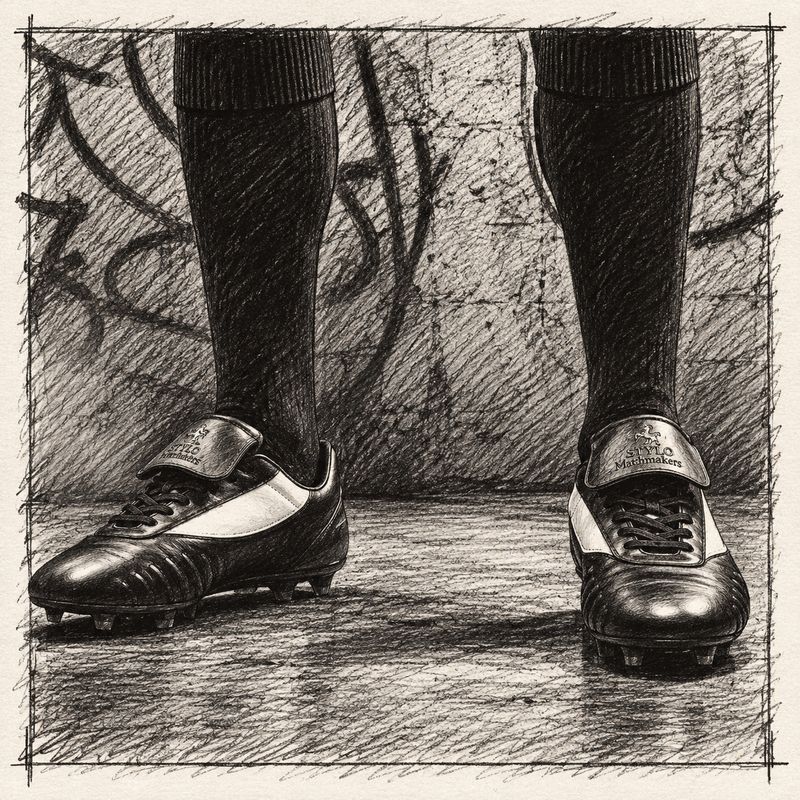
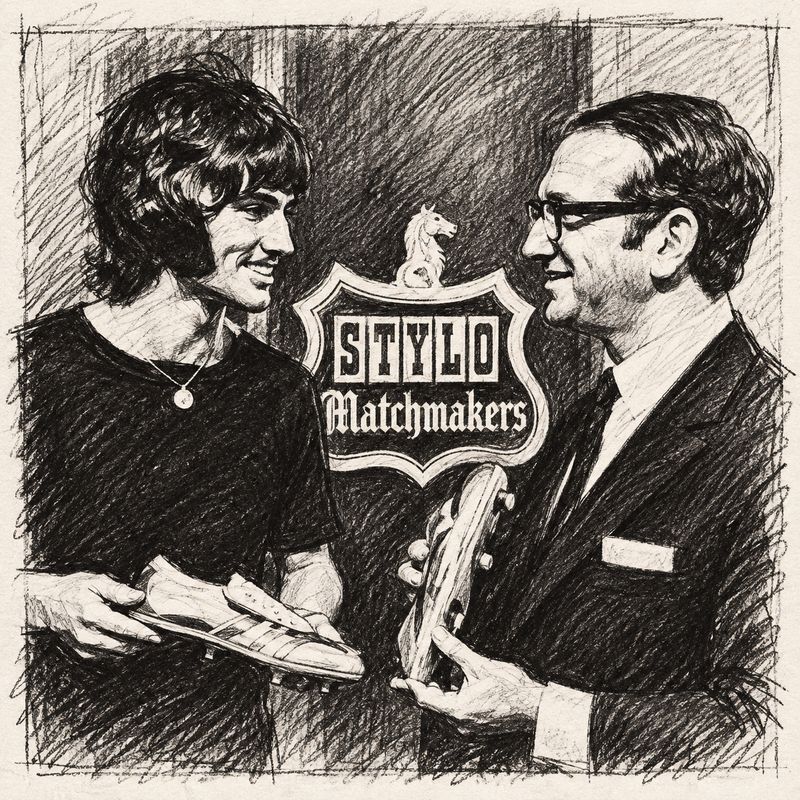
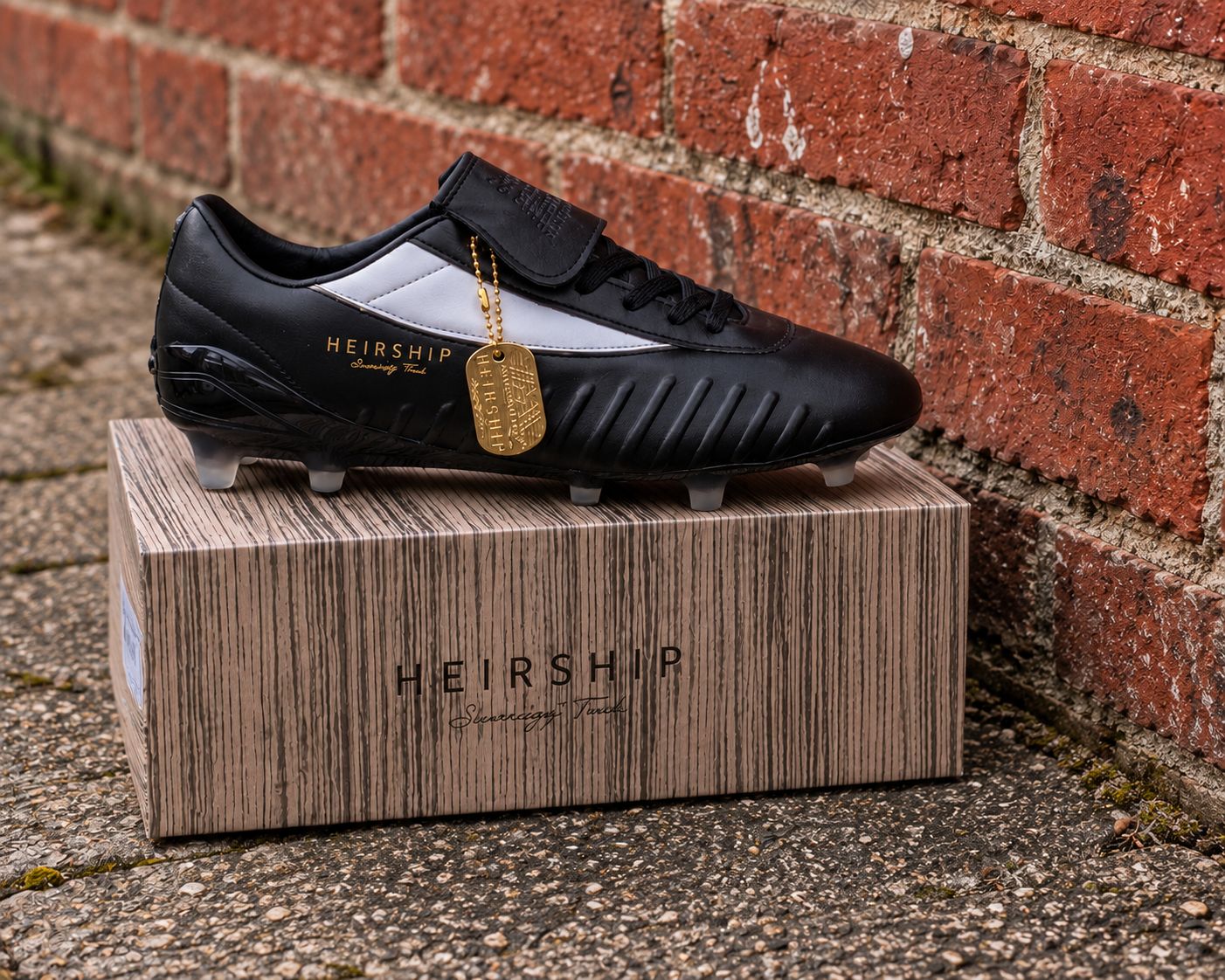
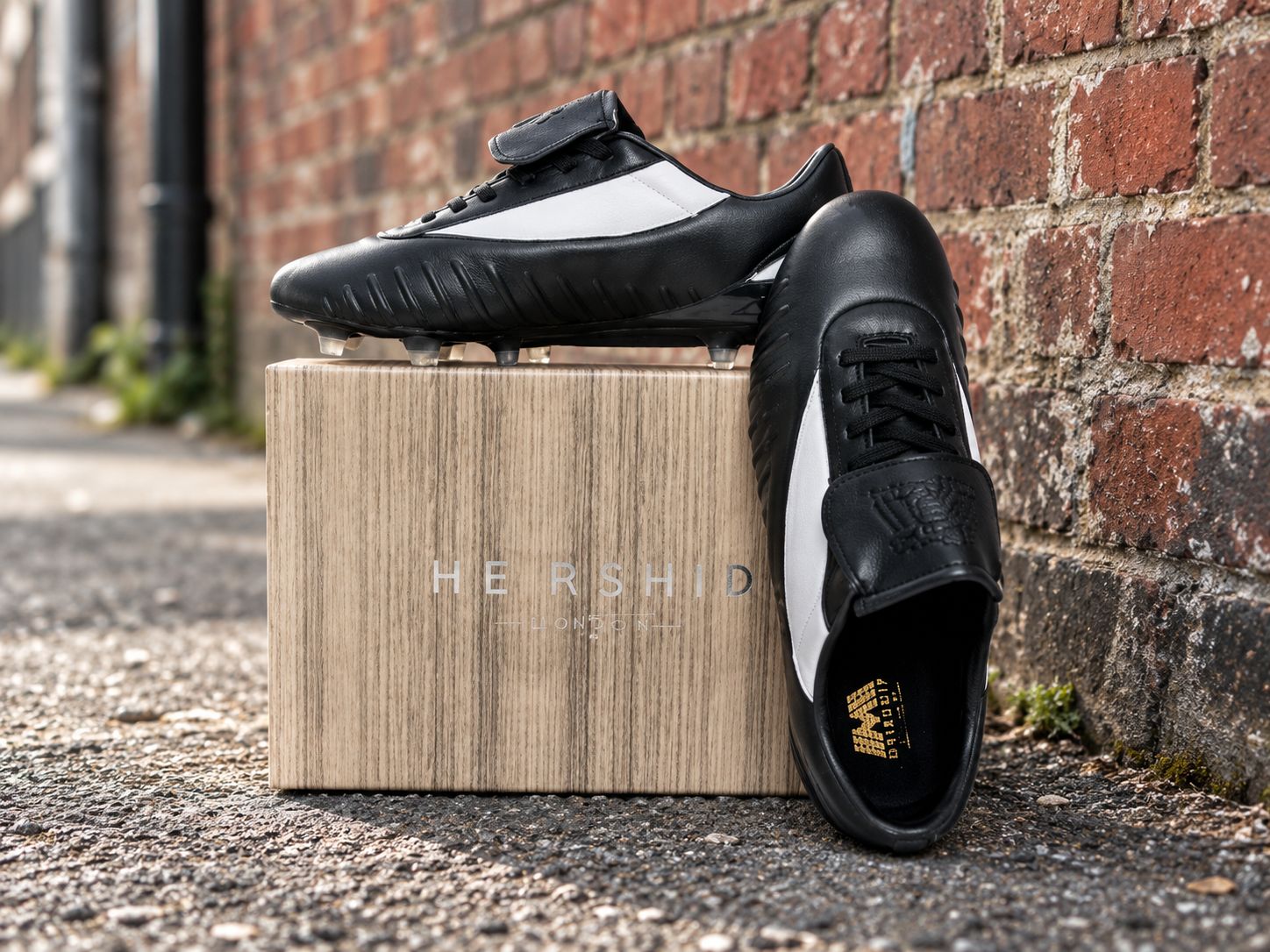
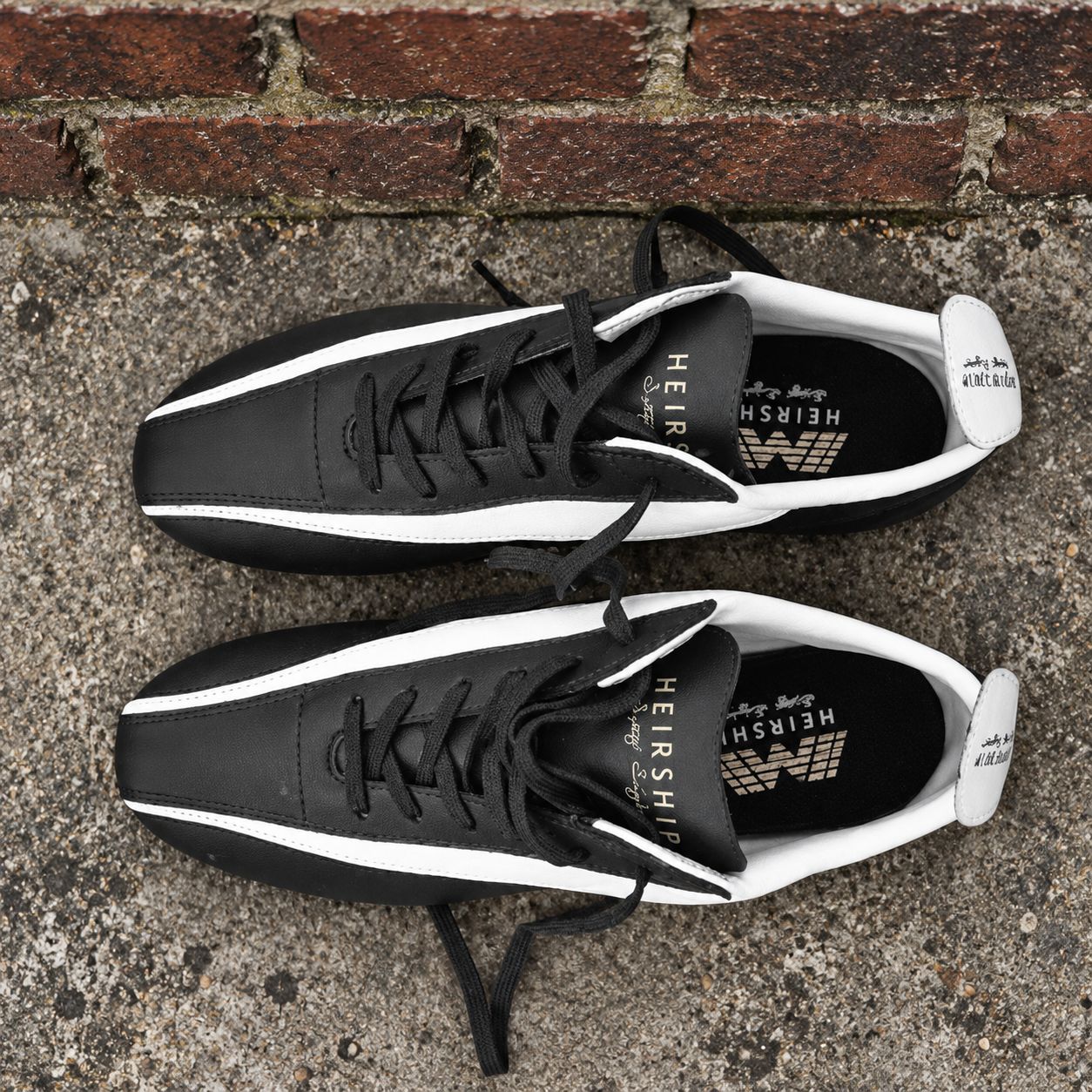
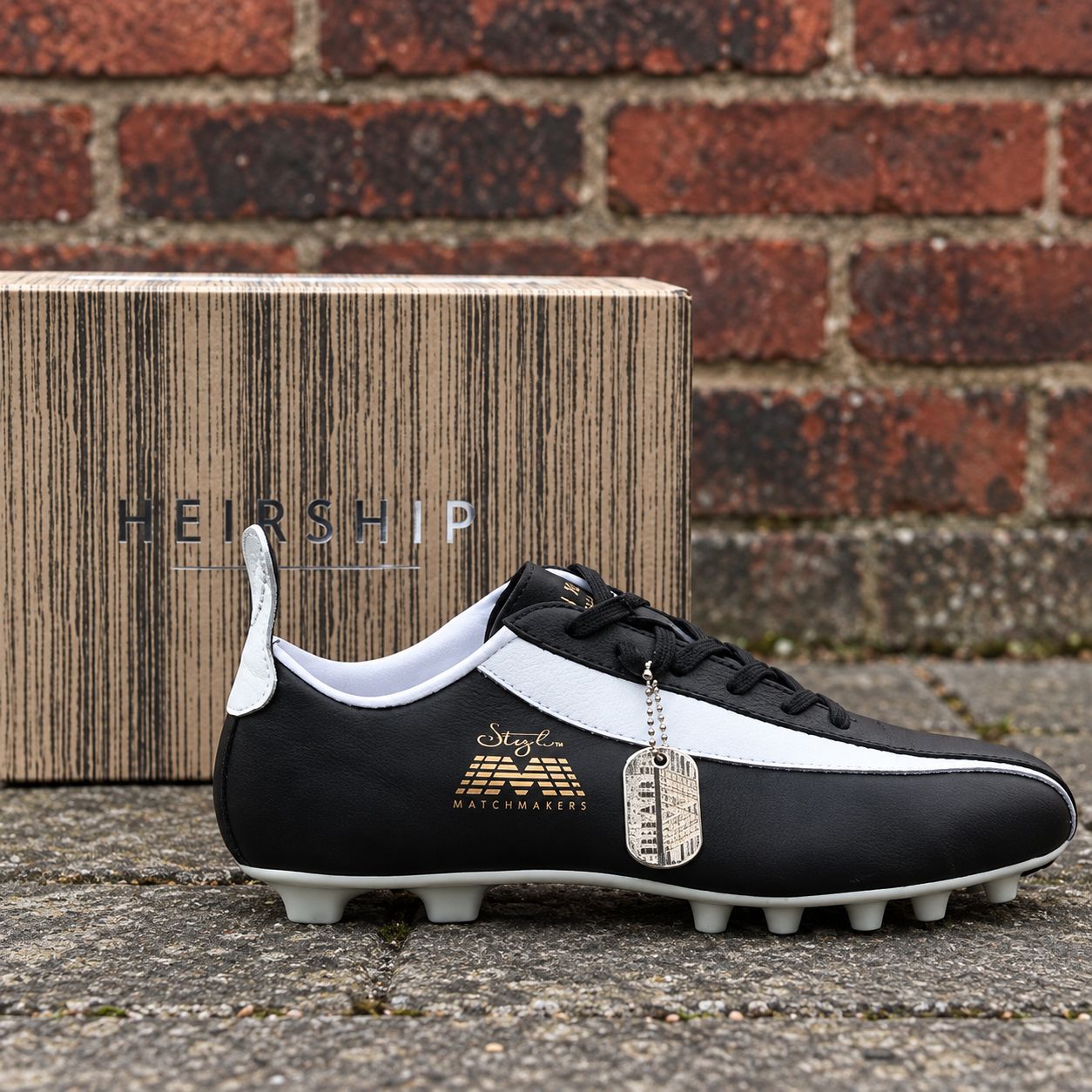
Stylo Matchmakers®
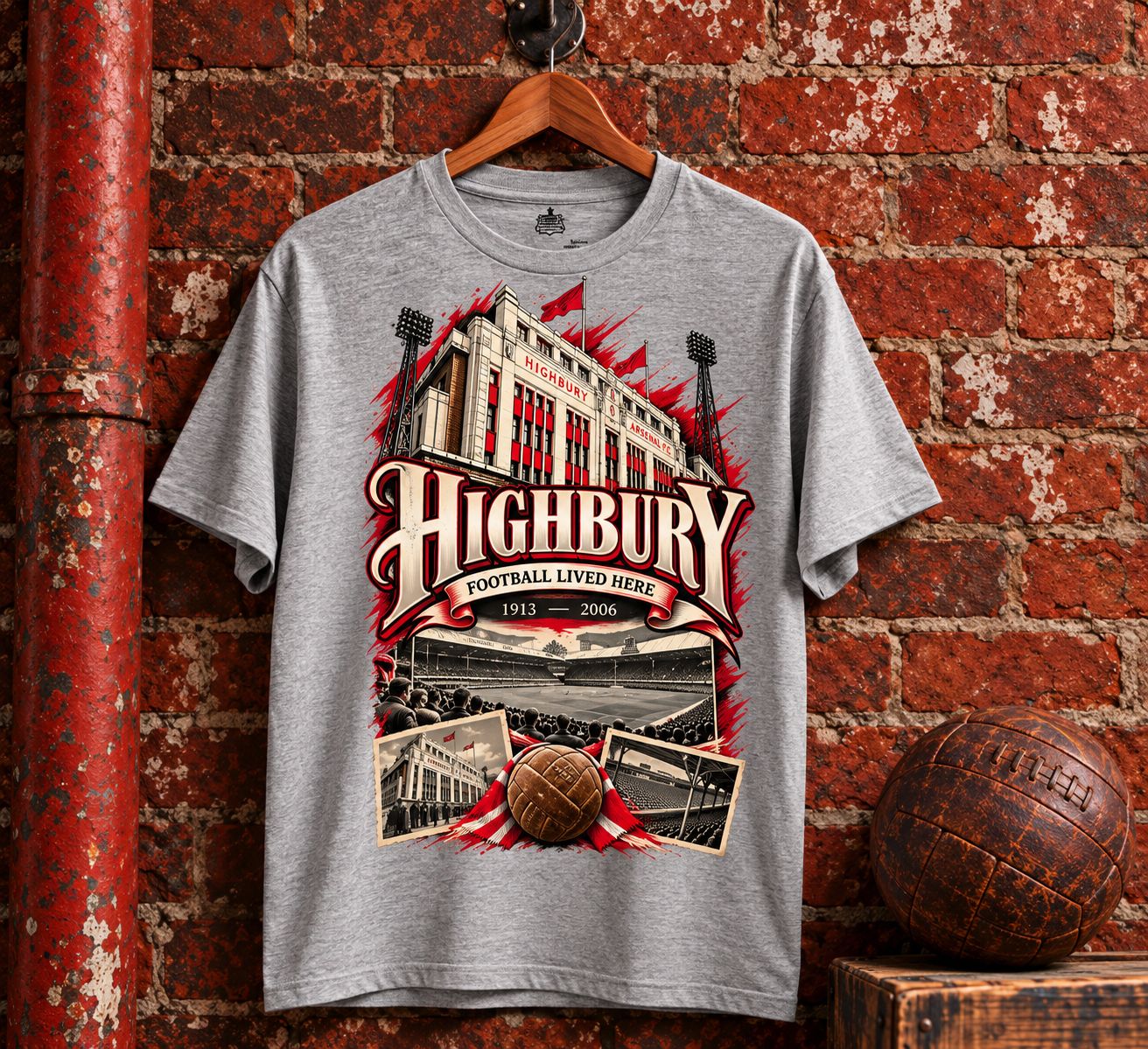
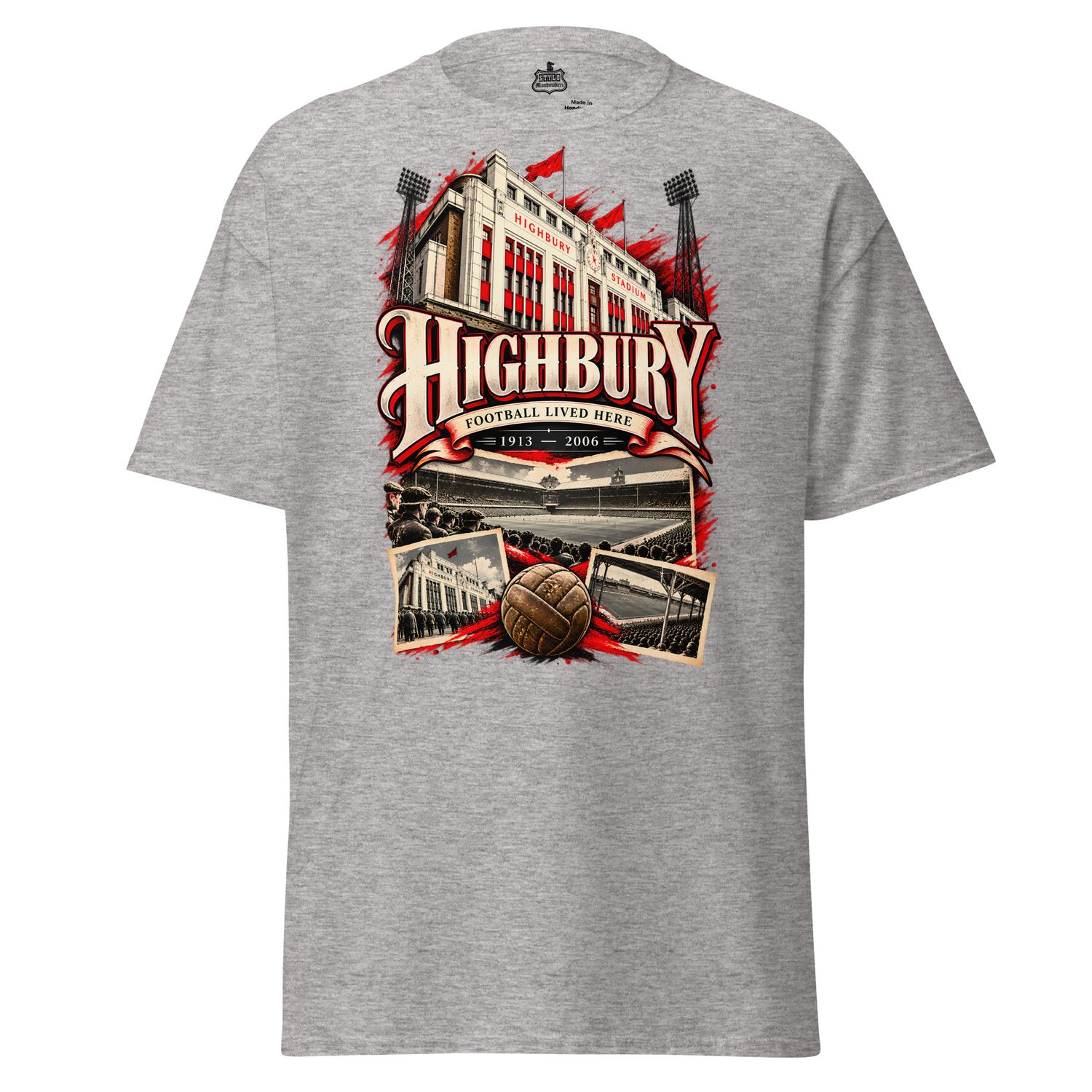
Before football became content, it was culture.
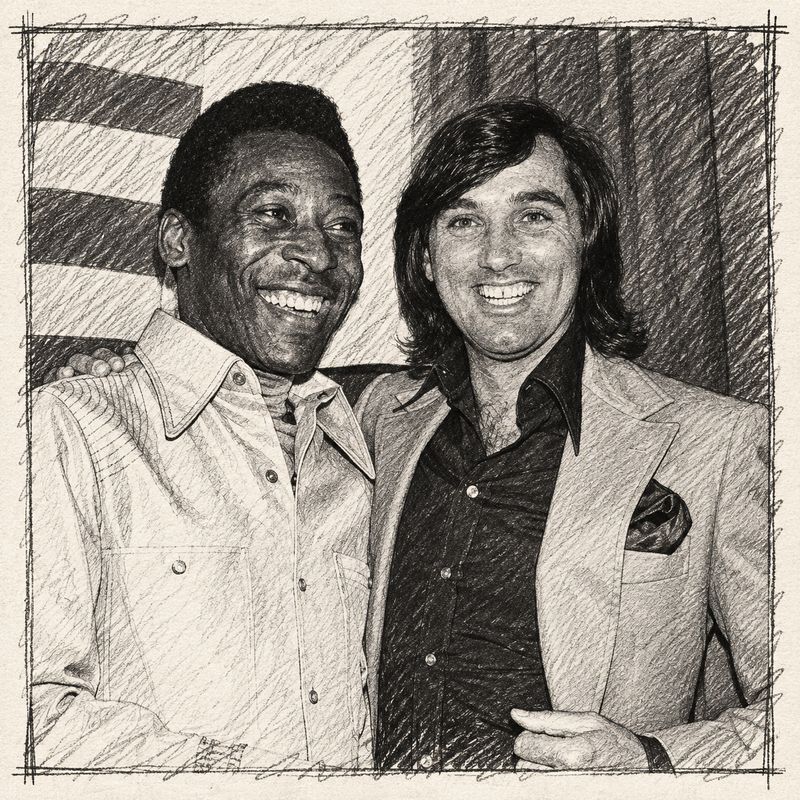
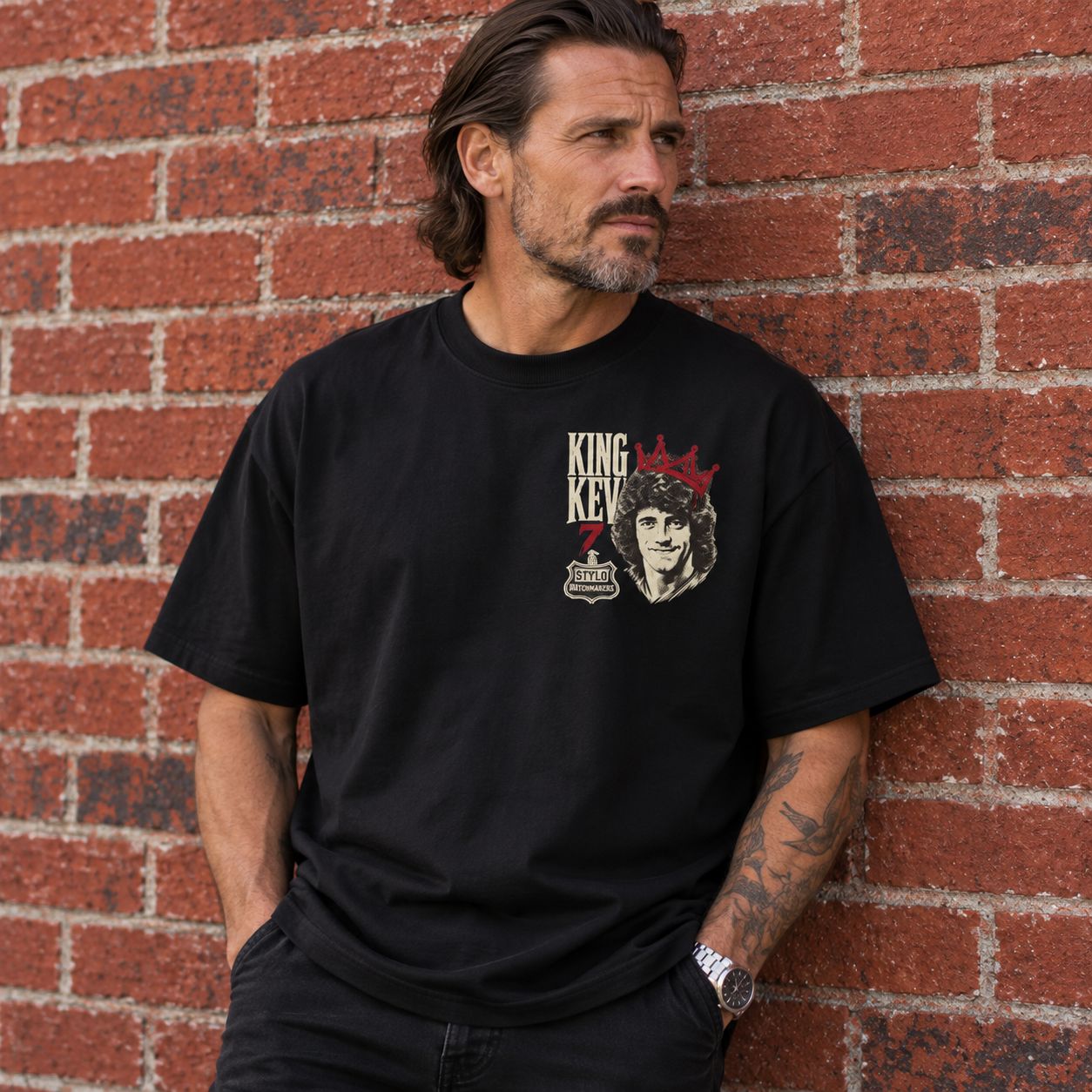
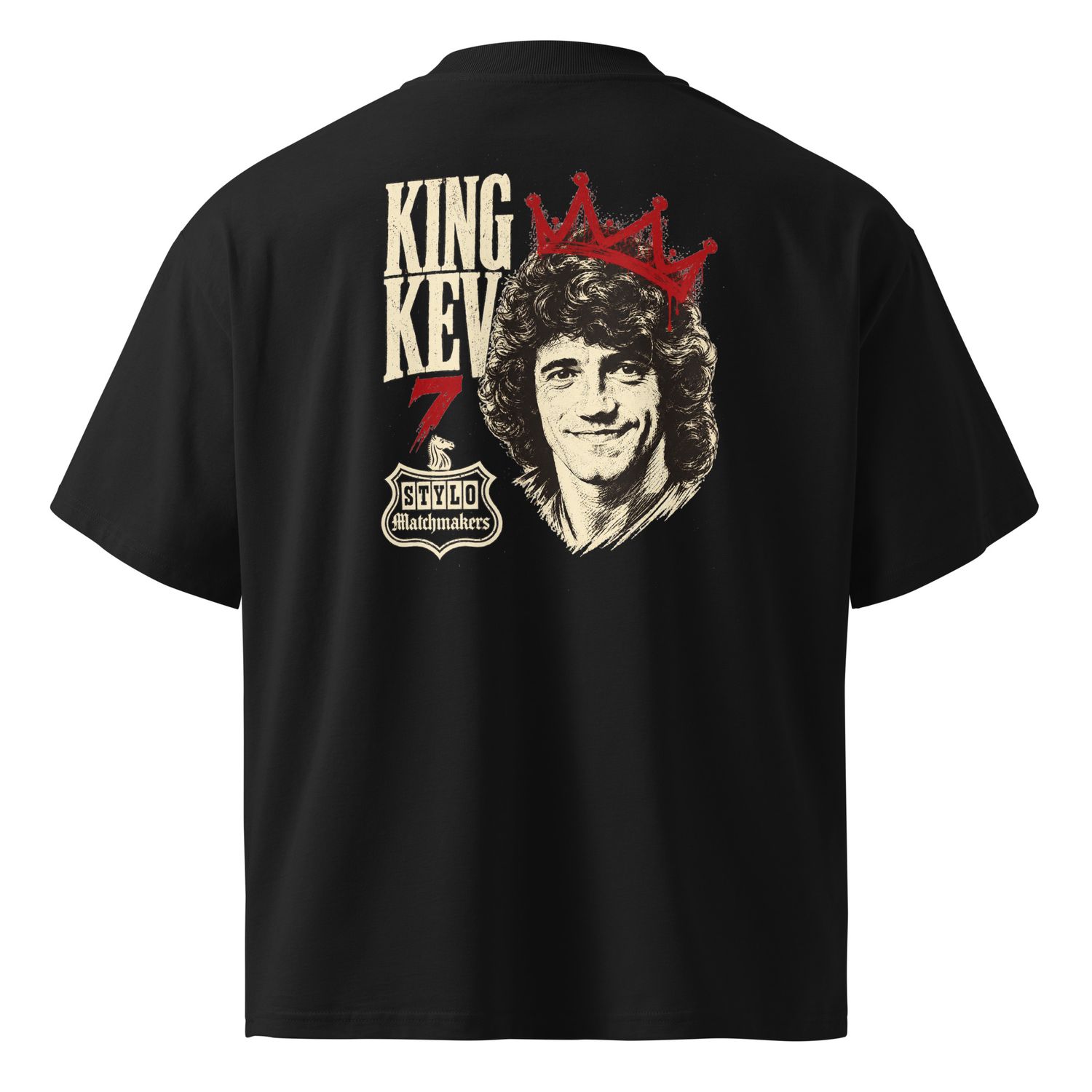
Born in the golden age of the 1960s and 70s, Stylo Matchmakers® was worn by players who gave football its swagger. Best. Keegan. Pelé. Players with character. Players with flaws. Players people crossed cities to watch.
They didn’t follow trends. They became them.
Stylo was there before football became polished, packaged and permanently for sale. Before £250 boots. Before every shirt needed a sponsor. Before players were brands and supporters became customers.
Now Stylo is back.
Not to recreate the past.
To bring some of its soul into the present.
Proper boots. Proper stories. Proper football culture.
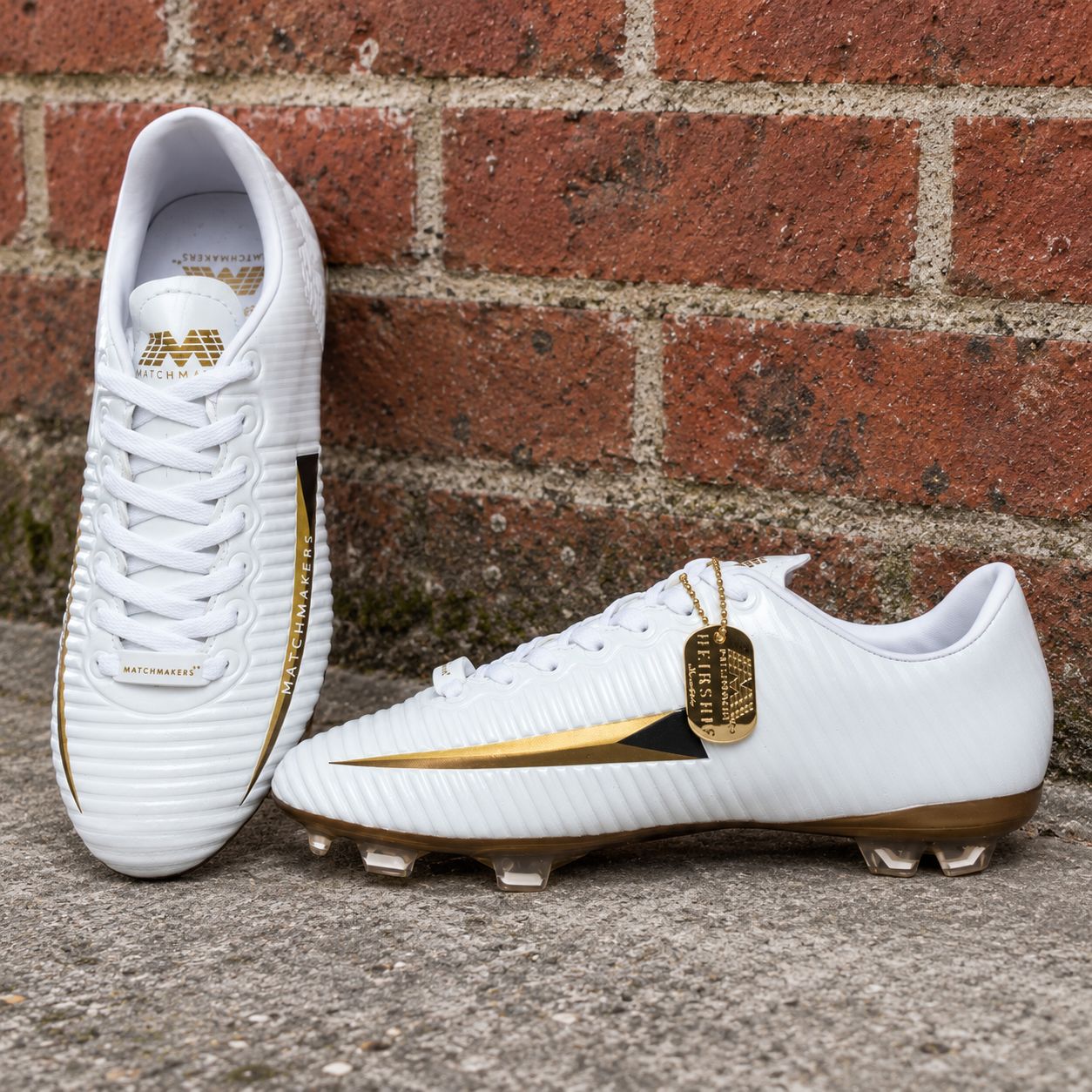
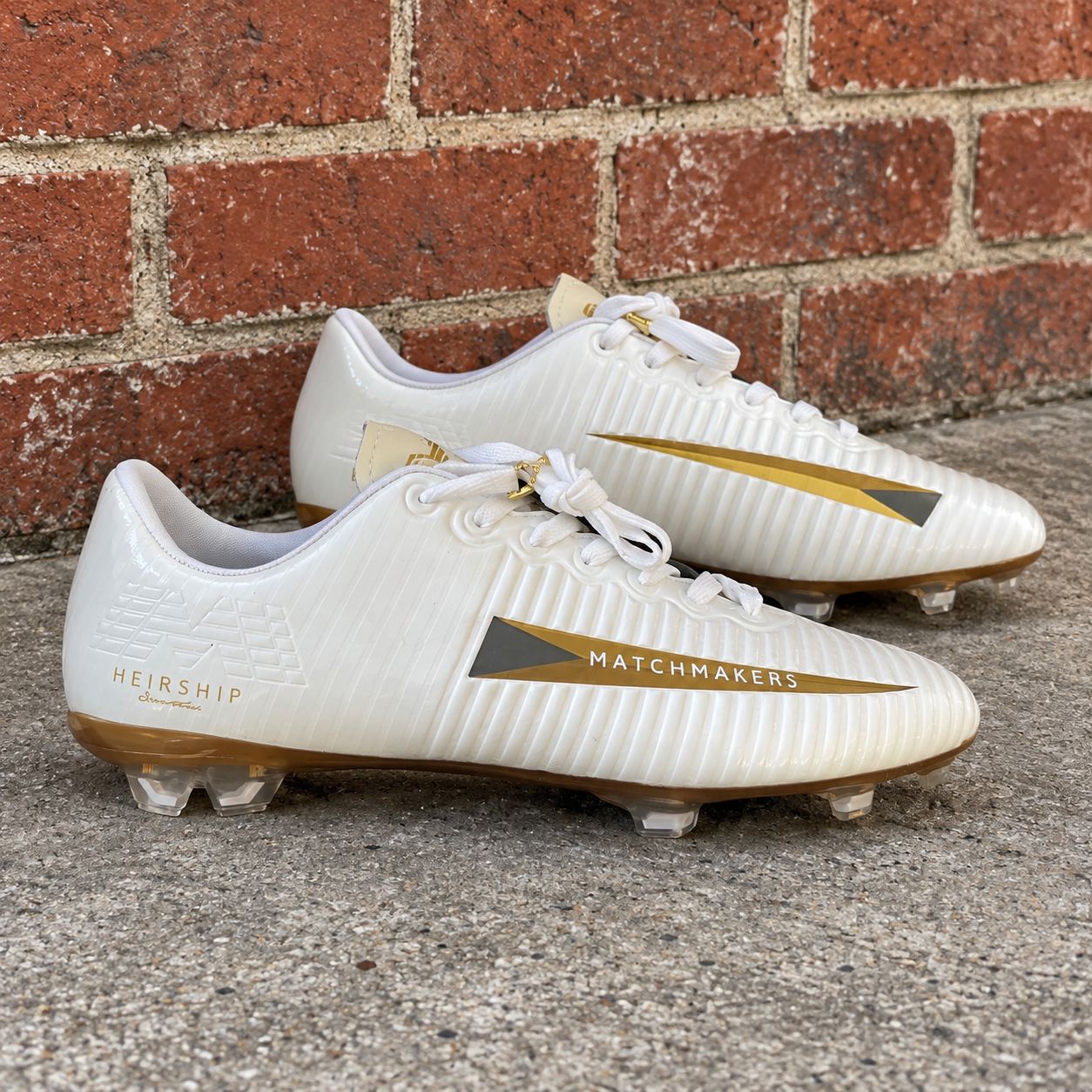
Handcrafted footwear. Clothes inspired by the grounds, players, managers and moments that made the game matter. No manufactured hype. No plastic history. No pretending football started with the Premier League.
This is for people who remember what football felt like — and for those who wish they had been there.
Because the players worth remembering never followed the game.
They changed it.
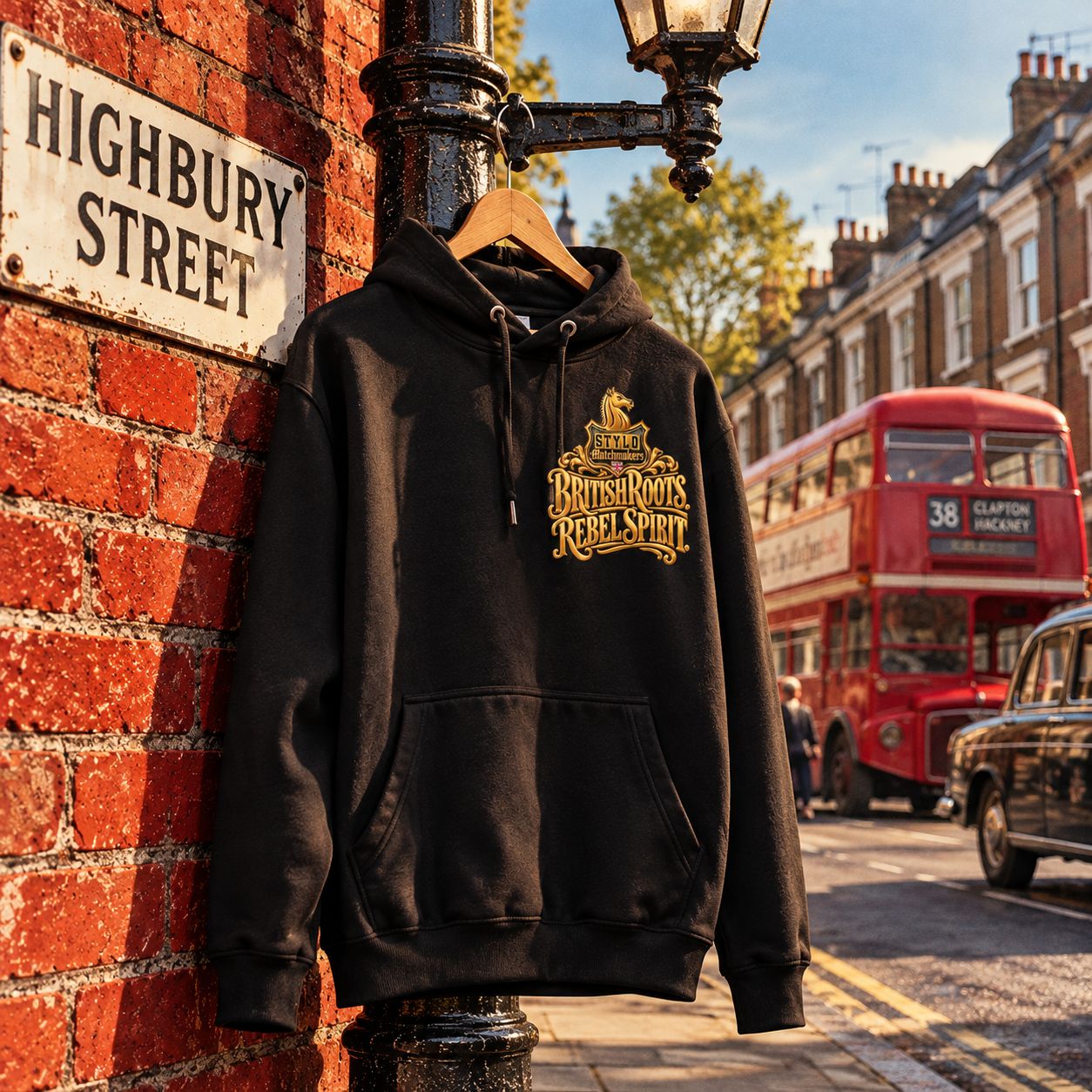
Stylo Matchmakers® — football before fashion. Rebellion since 1966.







Hairbond®
Hairbond® was built behind the chair for people who expect more from their hair. From texture and volume to strong hold, natural movement and precision control, every product in the Hairbond range has a clear purpose and its own character. Distinctive fragrances, premium formulations and professional performance have made Hairbond a choice of barbers, hairdressers and customers around the world since 2008.
No unnecessary products. No copies of what already exists. Just great products designed to make great hair better.
Los Angeles Aztecs
The official online retail store for Los Angeles Aztecs™ apparel and licensed products.